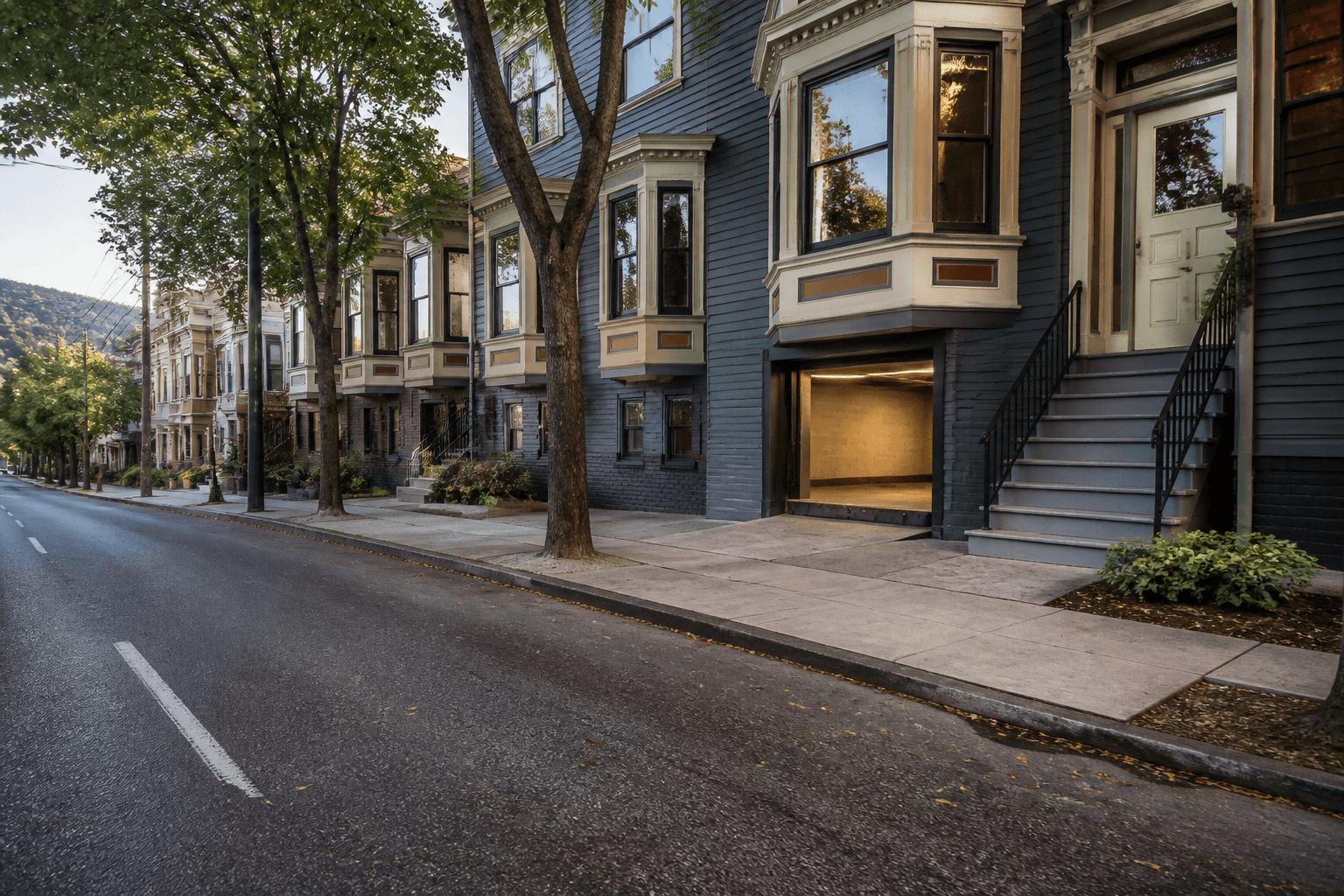
Why the Vancouver September 1 rush makes parking/loading harder
September 1 is when many Vancouver leases start, so move-in demand concentrates across the city’s busiest neighbourhoods—think Kitsilano, Mount Pleasant, East Vancouver (Commercial Drive/Strathcona), and the West End. That timing creates a practical problem: curb space fills quickly, condo loading bays are booked or restricted, and street parking rules get enforced more consistently when everyone is trying to unload at once. In a typical week, you might rely on “find a spot and run the couch” logistics; on September 1, that approach can turn into delays because vehicles block access, building staff request staggered deliveries, and larger trucks can’t legally or safely stop where they need to.
The goal of your Vancouver September 1 2026 move parking loading setup is simple: protect unloading time. You want enough permitted/approved space for a moving truck or cube van, clear pathways from curb to elevator or ground-level entry, and a realistic backup if the first loading window is taken.
Step-by-step: build a curb plan for your moving truck
A strong parking/loading plan starts before you choose a truck size. For Vancouver, you’ll want to identify three things for your specific address: (1) where the truck can legally stop (curbside loading zones vary by street), (2) what the “shortest safe route” looks like from curb to your entry, and (3) what your building allows on move-in day. Begin by mapping your move day route using street knowledge around your neighbourhood—e.g., how side streets behave in Strathcona or how busier arterial roads can affect access near Broadway in Mount Pleasant.
Next, decide whether you’re aiming for a “direct-to-door” unload (usually best when there’s a nearby loading restriction or driveway) or a “staged unload” (unload first at a nearby approved spot, then cart items in multiple trips). Staged plans require more time and labour, so they’re best when elevators are slow or loading bays are limited. Finally, set arrival targets: aim to be at the curb before peak enforcement periods so your crew can move quickly and avoid double-parking disputes. This is the most reliable way to keep your schedule on track during September 1.
Permits, building rules, and loading bays: what to confirm in advance
In Vancouver, the curb and loading spaces are treated as regulated infrastructure, and September 1 makes everyone notice those rules. Start with your building: ask whether you can reserve a loading bay or elevator time slot, whether there are move-in booking windows, and what documentation they require from movers (company insurance details, photo ID for entry, or proof of scheduling). Many condos and purpose-built rentals also have strict requirements for protection—floor runners, hallway blankets, or padding around door frames—and those rules can affect how fast you can unload at the loading point.
Then address the curbside reality. If your street requires a parking arrangement for a large vehicle, investigate the relevant city process early—parking restrictions are not the same across all Vancouver streets. Because this is a shared, high-demand week, approvals can be limited, and last-minute requests may not be granted in time. If you’re not able to secure curb access, plan an alternate location and treat it as non-negotiable: either a different approved loading spot or a staggered unload with carts/dollies.
Confirm all of this in writing where possible, so your Vancouver September 1 2026 move parking loading setup is based on approvals—not guesses.
Timing strategy: when to arrive for the best curb access
For many households, September 1 is both the move-in day and the “only day” they can book. That pressure means curb access is at its worst during the middle part of the day, when everyone arrives at once. A practical timing strategy is to schedule your moving truck to arrive as early as you can within your building’s move-in window. Early arrivals typically reduce the odds of finding the perfect stop completely occupied and lowers the chance you’ll need to wait for enforcement to pass or for neighbours to relocate vehicles.
Your plan should also include buffers. For example, even a short distance can become slow if you’re driving through dense areas like the West End or around Commercial Drive, where traffic patterns and pedestrian activity increase around the same window. Create a “minimum viable unload” timeline: decide what you can accomplish in the first 30–60 minutes—often the essentials and the bulky items that must go to specific rooms or the storage unit. If the curb situation changes, you’ll know what to do immediately rather than losing time.
Finally, coordinate with your crew. Having everything staged (boxes labelled, items grouped by room, straps ready, and floor protection placed) helps you unload faster, which is the core of a successful vancouver september 1 2026 move parking loading setup.
Loading zone logistics: truck size, access route, and safety checks
Vehicle size often determines whether curb loading is feasible. A large moving truck may be perfect for capacity, but it can be challenging to stop safely on a narrow street or near tight turns common in older Vancouver neighbourhood blocks. On September 1, the safest plan is the one that minimizes repositioning. Before move day, confirm your building entry width (doorways, elevator dimensions, hallway turns) and compare that to your item list. If you’re moving oversized items—sofa beds, large dressers, sectionals—plan for whether you need an additional path clear or whether you’ll stage items in a different order.
Safety checks are not optional because they reduce delays. Verify that you’ll have dollies, straps, and protective materials (floor runners and corner guards). Ensure your crew can move from the curb to the elevator without crossing restricted areas where building staff may intervene. Also check the ground conditions: Vancouver sidewalks can be uneven, and curb ramps can affect dolly wheel movement. If your route includes stairs (common for some heritage blocks) you may need different handling or extra manpower.
For your Vancouver September 1 2026 move parking loading setup, the best outcome comes from matching truck size to curb reality and matching unloading order to the fastest safe route.
Backup plans when the curb is full (and how to stop losing hours)
Even with excellent preparation, September 1 can surprise you. A street can be blocked by a delivery vehicle, a temporary restriction may be posted, or your reserved loading arrangement might conflict with last-minute building work. The way to prevent chaos is to create a backup plan before move day and agree on a “decision rule” with your crew. For example: if curb access isn’t possible within a set time (often 15–30 minutes), you switch to your secondary spot and begin staged unloading immediately.
Your backups should include at least two layers. First, a closer alternative where you can park legally and unload with limited delay—often a different curb segment nearby that still allows short stops. Second, a staged plan that uses two phases: unload the critical items first (boxes to bedrooms, kitchen essentials, and any items you can place without full furniture entry), then transport the remaining items once elevator/loading conditions improve. Staged plans work particularly well in high-demand corridors around Mount Pleasant and East Vancouver where curbs get crowded quickly.
To stop losing hours, keep your items organized for phase-one unloading. Label clearly, keep floor protection in reach, and ensure your crew knows where “phase-one” items go. That discipline is the difference between a calm September 1 and a day that spirals.
How Boxly helps you coordinate move day curb access and scheduling
Boxly (boxly.ca) is built for people who need moving help that respects real-life constraints—parking, loading, elevator access, and tight Vancouver streets during peak move-in week. With September 1 in Vancouver, logistics can’t be treated as an afterthought. You need a plan that aligns your move-in timing with building requirements and curb access realities, especially around neighbourhoods where demand spikes such as Kitsilano, the West End, Mount Pleasant, and East Vancouver.
When you use Boxly, you can request a move that considers timing and the kind of access you have at your address. That means you’re more likely to get a crew and moving approach suited to your building layout—whether you’re unloading in a dedicated loading area, staging items for later elevator use, or coordinating an efficient sequence to minimize curb dwell time.
If you’re trying to execute a vancouver september 1 2026 move parking loading setup, the most valuable thing is confidence: knowing the schedule, knowing the approach, and knowing you have a plan for the “what if.” Boxly helps take the uncertainty out of peak-day moves so you can focus on settling in.
Frequently Asked Questions
Do I need a parking permit for a moving truck during Vancouver September 1 week?
It depends on your exact curb location and vehicle type. In Vancouver, curb stopping and loading are governed by street-specific rules and time limits, and September 1 is one of the busiest move-in periods of the year due to widespread lease start dates. If you’re planning to stop a larger moving vehicle directly at your building, you may need permission or an arrangement to ensure you’re allowed to use that space for the time you need to unload. Many buildings also have their own move-in booking requirements, such as reserving a loading bay or elevator window, which can operate independently from street rules.
The key is to treat this as part of your vancouver september 1 2026 move parking loading setup process rather than something you decide on the day. Check your building first, then confirm whether the curb outside your address supports the kind of stopping you intend. If you can’t secure a curb solution, build an alternate plan (staged unload or a nearby approved stop) so you’re not forced into unsafe or illegal parking.
What time should I schedule my move-in on September 1 in Vancouver to avoid the worst parking congestion?
For many Vancouver neighbourhoods, congestion peaks when multiple households try to arrive around the same part of the day. A practical strategy for September 1 is to schedule your moving truck as early as your building move-in window allows. Early arrival reduces how likely the curb is to be fully occupied and gives your crew enough uninterrupted time to unload quickly—unloading speed directly affects how long the vehicle needs to remain in a loading/parking situation.
In dense areas like the West End and around Commercial Drive, pedestrian activity and traffic flow can also make it harder to reposition quickly, so the earlier you can start, the more room you have for adjustments. Still, plan for buffers: even a short drive time can expand due to traffic and the ripple effects of other moving crews. Create a phased plan so the first hour targets items that must land first (and that are easiest to move from curb to entry), while less time-critical items can follow if the elevator or access changes.
This is the core timing logic behind an effective vancouver september 1 2026 move parking loading setup.
How do I choose the right truck size so I’m not stuck with an impossible loading situation?
Truck size should be selected based on access, not just the number of belongings. Start by evaluating your building entry and your move route from curb to the interior: doorway widths, hallway turns, and whether you’re using an elevator. In many Vancouver buildings, elevator access is the limiting factor because it can require strict scheduling during move-in week. If your items are large or numerous, a bigger truck can increase the risk of stopping restrictions becoming an issue if the curb isn’t suitable for that vehicle length.
A safer approach is to match the vehicle size to what you can unload quickly and safely. If a large truck would force long curb dwell time, consider a smaller truck or a configuration that allows faster unloading. Boxly move requests can be paired with realistic timing and access expectations so you’re less likely to end up with a plan that doesn’t fit your building.
Before booking, do a quick “fit check”: measure major items (especially furniture) and confirm whether they can pass through entry points and the elevator. That fit check helps prevent delays on September 1, when parking/loading is already under pressure.
What’s the best way to protect floors and hallways during curbside unloading in Vancouver?
Protection is essential in Vancouver buildings, especially during peak move-in days like September 1 when hallways see heavier traffic and residents are protective about scuffs, dents, and water marks. Ask your building what they require before move day. Many sites expect floor runners in hallways and may require corner guards or specific padding methods for furniture. If you’re unloading directly from the curb, you also need a clear plan for how items transition from outdoor conditions to indoor spaces.
Practically, assign protection supplies to a specific crew member so they aren’t searched for mid-unload. Use floor runners for the main path from elevator/entry to the first staging area, and keep them secured to reduce tripping risk. For bulky items, corner guards and straps help prevent impacts against walls and doorframes. If you’re using dollies, check the wheel condition and ensure your runners accommodate the wheels smoothly.
Because your vancouver september 1 2026 move parking loading setup is about keeping unloading time efficient, faster protection setup helps you reduce how long the truck remains in the curb/loading area. That’s the safety-and-scheduling win.
If the curb is blocked on September 1, what should I do immediately?
Don’t improvise on the spot—use a pre-set decision rule. When curb access becomes unavailable (blocked by another vehicle, construction, or unexpected restrictions), you want your team to know the next step without arguing. Your backup plan should already include a secondary legal stop and a staged approach.
A good immediate action sequence is: (1) confirm you have safe access to move items without crossing restricted zones, (2) start unloading only if it’s legal and safe, and (3) switch to the next approved location if access isn’t possible within a short window (often 15–30 minutes, depending on your crew size). During the switch, keep items grouped by priority—move-in must-haves first (boxes for bedrooms/bathrooms, essential kitchen items, and any items needed for immediate access).
Staged unloading can save your day: unload critical items first to reduce dependence on one perfect loading point, then transport remaining items once the curb situation improves. In neighbourhoods with high September 1 demand like Mount Pleasant or East Vancouver, staged unloading is often the difference between a manageable delay and a full-day shutdown.
This is the purpose of a well-built vancouver september 1 2026 move parking loading setup.
Can I schedule move-in help around building elevator times, even if my truck arrival is earlier?
Yes, you can often schedule move-in help around elevator timing, but the logistics need to be planned. Many Vancouver buildings restrict elevator use during move-in week and require you to book specific time windows. If your truck arrives earlier than the elevator window, you’ll need a safe staging plan—ideally a designated area inside the building where your crew can store boxes and furniture temporarily without blocking access. If the building doesn’t allow staging, you may need to align your truck arrival more closely with the elevator window to avoid idle time and curb dwell delays.
A good approach is to break the move into phases. Phase one is the items you can place immediately—either into a reserved loading bay area, storage room, or a staging corner that the building approves. Phase two follows when the elevator timing opens, allowing you to complete the full transfer without repeatedly hauling items in and out. This reduces how long the truck needs to stay at curbside and helps keep everyone compliant.
When you’re planning your vancouver september 1 2026 move parking loading setup, ask your building for confirmed elevator slot rules and ask your moving team how they’ll handle early arrival. That alignment prevents costly waiting.
Does September weather in Vancouver affect parking/loading plans?
Yes—weather can affect both safety and unloading efficiency, even though Vancouver’s September tends to be part of the warmer end of the year. September in Vancouver is typically within the warmer portion of the year, but you can still get rain and occasional cooler periods. Rain changes curb conditions: sidewalks can become slick, and visibility or footing for dollies and straps can be worse. Even light precipitation can slow unloading because crews move more carefully around thresholds and curb ramps.
From a planning perspective, treat weather as a reason to tighten your time buffer rather than a reason to delay decisions. If you have to switch locations due to access issues, wet conditions increase the importance of a smooth staging workflow (runners, protected pathways, and quick setup). Also prepare for indoor transitions: keep items grouped so you can move them efficiently from curbside to covered entry, and prioritize moving floor-protecting supplies early.
Your vancouver september 1 2026 move parking loading setup should include a “rain friction” plan—extra time for careful handling, and a backup location strategy in case curb access is compromised. This is especially relevant if you’re moving through busy blocks where pedestrians will be present regardless of weather.