What the Sept 1 rush means in Vancouver (and how to plan around it)
Moving on vancouver september 1 2026 move in what to expect is, for many tenants, synonymous with the busiest part of the year. In Vancouver, neighbourhoods like Kitsilano, Mount Pleasant, Downtown, Chinatown, and the West End often see heavy traffic and a high volume of deliveries because many leases start on the same date. That timing usually concentrates move trucks into the same few morning and afternoon windows, and it can make elevator wait times longer than you’d see in off-peak months. The practical takeaway: plan your move as if you’ll be coordinating with a “mini fleet” of other households. Book your moving company and any elevator/booking requirements as early as possible, then create a detailed timeline that includes staging, elevator rides, and trash/recycling procedures. If you’re moving into a condo or strata-managed building, remember that approvals and move-day rules commonly need to be submitted ahead of time.
Elevators: what you should confirm before movers arrive
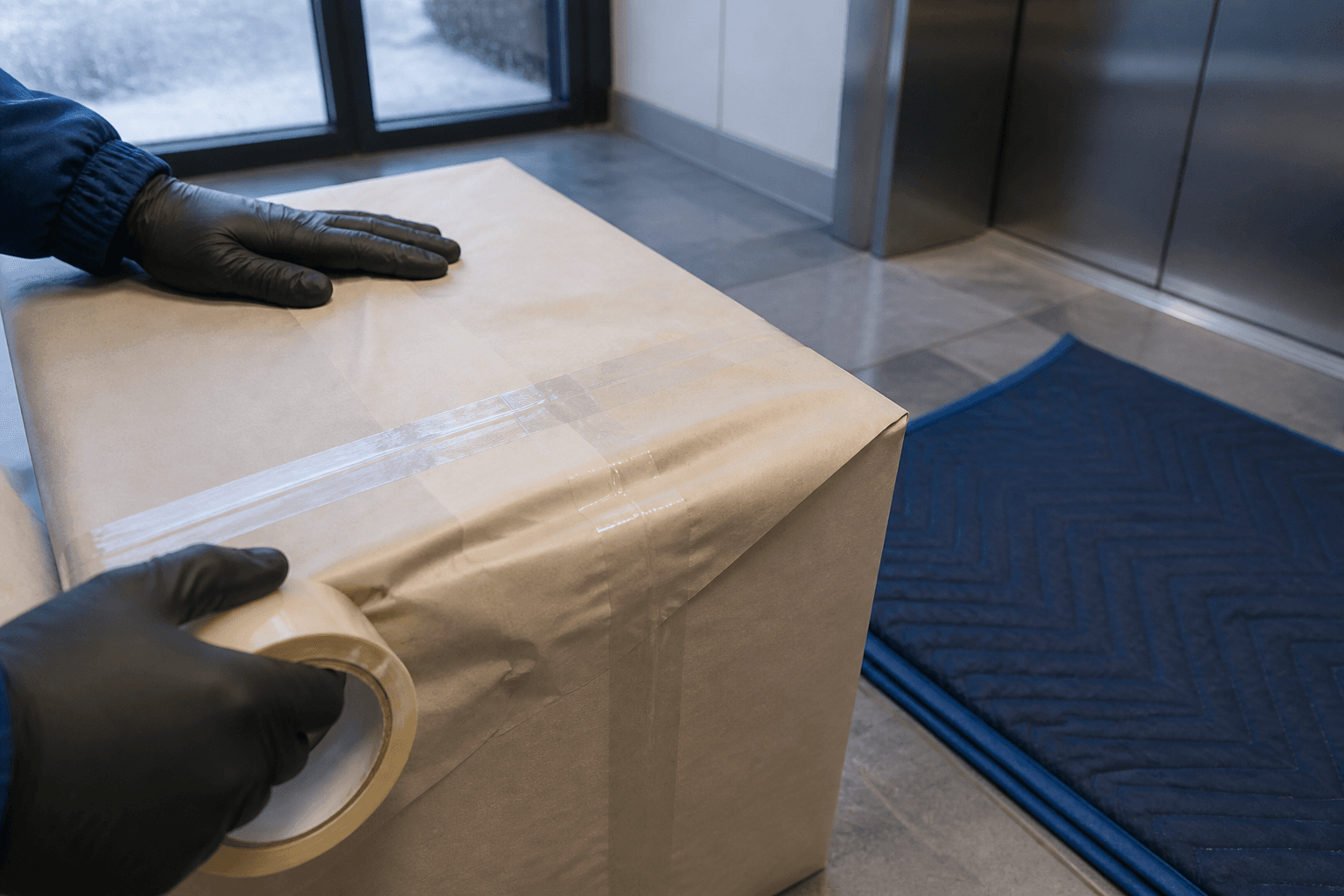
For condo towers and many newer mid-rises across Vancouver, elevators are the biggest “bottleneck” on move-in day. When you ask vancouver september 1 2026 move in what to expect, start with the elevator process: many buildings require a move-day booking, an assigned time slot, and sometimes even a specific elevator to be used. Common rules include laying down protective padding, limiting the number of trips per hour during busy windows, and requiring staff or a super to be present at key moments. Some stratas also restrict the use of resident elevators to protect the system, while others allow access but require that freight items be wrapped and brought in via designated routes. Before your moving truck shows up, confirm: (1) the reservation start/end time, (2) whether you need to submit a move notice, (3) which elevators are permitted, (4) pad and tape policies, and (5) whether moving carts/dollies must be approved. Planning for these checks reduces the risk of waiting outside while the building coordinates access.
Parking and loading: permits, street rules, and realistic staging
Parking and curb access can make or break a Sept 1 move in Vancouver—especially in Downtown, the West End, and along major corridors like Robson Street or Broadway. On vancouver september 1 2026 move in what to expect, many households discover that “I’ll just double-park for 20 minutes” is rarely realistic. Vancouver’s downtown curbside is heavily managed, and enforcement can be strict during peak times. Instead of relying on luck, plan for a loading strategy: confirm whether your building offers designated loading bays, whether there’s a secured underground loading area, and what the closest “official” access point is for your specific address. If you need curb access for a moving truck, you may need a permit depending on the situation and whether a reserved loading zone is available. Your moving company can help coordinate the best feasible approach, but you should still do your homework: locate nearby legal loading points, plan a clear path from truck to building entry, and consider temporary staging for boxes and furniture before they go into the elevator. A little staging discipline often prevents the classic congestion pile-up that slows everything down.
Strata and building rules: move notices, quiet hours, and fees
In Vancouver, strata and building rules are often the reason moves succeed—or get delayed. That’s why vancouver september 1 2026 move in what to expect should include an upfront review of your building’s move-bylaws: move notices, permitted hours, route requirements, and any fees. Many condos require a written move request submitted in advance, commonly weeks rather than days, and some require proof of insurance from your moving company. You’ll also want to check whether the building sets quiet hours (for example, limiting noisy work early morning or late evening) and whether there are restrictions on hallways, elevators, and common-area use. Deposits are sometimes required for damages, and additional charges may apply for cleaning, damage to common property, or extra time beyond the reserved window. Plan to use approved equipment (such as dollies/carts) and confirm the path to avoid carpets, gym spaces, or newly finished surfaces. If you’re arriving with large furniture—sofas, beds, or appliances—ask whether there’s a minimum time for elevator protection removal or whether staff will assist with key access. These details protect your deposit and keep your move day on schedule.
Day-of workflow: a step-by-step plan that reduces delays
A smooth Sept 1 move in Vancouver is less about speed and more about flow. When you’re thinking vancouver september 1 2026 move in what to expect, design your day-of workflow around three variables: elevator access windows, loading/parking realities, and building entry rules. Begin by confirming the exact move-day appointment time (and build a buffer for late truck arrival). Assign at least one person—often the household coordinator—to handle elevator scheduling with your moving team and the building front desk or strata rep. Next, organize your load order: lighter boxes first to stabilize the route, then furniture as the elevator is cleared repeatedly. Label boxes by room and prioritize “open first” items so you can finish the essentials quickly after the last elevator trip. For protection and cleanliness, keep floor coverings, corner protectors, and wrapping supplies accessible. If your building requires specific trash handling, plan when those items will leave the unit and where they must go. Finally, do a quick walkthrough at the end to note any hallway scuffs or elevator pad issues immediately—capturing them early helps resolve disputes quickly.
Cost and booking: what typically changes for Sept 1 moves
Sept 1 is Canada’s “high season” for rentals and moves, and Vancouver is no exception. For many tenants, move-in day aligns with lease cycles that commonly start on the first day of the month, creating concentrated demand for trucks, movers, and building access time slots. While exact pricing varies based on distance, stair counts, elevator access complexity, and how much packing you need, peak-season demand often means reduced availability and higher rates compared with slower months. That’s why vancouver september 1 2026 move in what to expect should include early booking and a clear scope of work. If you have multiple-room moves, fragile item handling, or large furniture that needs careful elevator routing, request that in advance. Also confirm whether your building charges fees for moving, elevator booking, or deposits—these can affect your total moving budget. As a planning note, consider that movers typically work in multi-hour blocks; any delays from elevator access or parking uncertainty can increase labour time. Your best cost-control strategy is to align the moving plan with building rules and reserve time for staging and protection.
Frequently Asked Questions
Do Vancouver buildings usually require a move-in notice for September 1?
Yes—many strata and condo buildings in Vancouver require a move-in notice for Sept 1 moves, often well in advance. Because vancouver september 1 2026 move in what to expect includes peak demand, building managers commonly schedule elevators and set designated move windows to prevent conflicts with other residents. In practice, you may need to submit a move request form, provide the move date and approximate arrival time, and sometimes share details about the moving company (including insurance). Some buildings also require confirmation that you’ll use proper protection such as elevator pads and floor coverings. Be sure to ask about any required deposits or fees for common-area use and whether there’s a specific permitted route from the entrance to your unit. If you’re moving into Downtown, the West End, or Mount Pleasant, plan for faster response times if you contact building management early and follow their checklist exactly.
What parking options are realistic for moving trucks in Vancouver on Sept 1?
In Vancouver on Sept 1, curb access can be limited—especially in dense areas like Downtown, the West End, and parts of Chinatown. When planning vancouver september 1 2026 move in what to expect, treat “free curb parking” as unreliable. Many movers rely on a designated loading spot, a building loading bay, or the ability to park legally near your entry point for short time blocks. Depending on your address and street conditions, a parking/loading permit may be required for the moving truck, and rules can differ block by block. The safest approach is to confirm your building’s official loading instructions first, then map a legal backup location in case your preferred spot is unavailable. Also consider traffic patterns: morning and late-afternoon demand can increase delays and reduce the time you have for loading/unloading. Your moving day timeline should include time to handle staging and brief transfers, rather than assuming the truck can remain in one spot for the entire move.
How early should I book an elevator reservation for my condo or strata?
While timelines vary by building, it’s smart to book an elevator reservation as early as possible—often weeks before Sept 1—because Sept 1 is one of the busiest dates of the year in Vancouver. For vancouver september 1 2026 move in what to expect, many stratas schedule move windows in a way that avoids overlap, so once dates fill up, you may be forced into a shorter or less convenient time slot. Ask your building when move-day bookings open, whether there’s a form or portal, and what information they require (moving company details, unit number, duration estimate, number of items, and route). Also clarify the protection requirements: padded floors and elevator coverings are commonly mandatory, and some buildings have preferred contractors or specific materials they expect you to use. If you’re also arranging parking permits or loading access, coordinate everything together—elevator windows and curb access time blocks should align to prevent idle time for your movers.
Are there quiet hours or time restrictions I should plan for in Vancouver condos?
Yes. Many Vancouver strata buildings set move-in time restrictions and quiet hours that limit noisy activities, especially early mornings and late evenings. When thinking vancouver september 1 2026 move in what to expect, you should treat these limits as part of the official schedule—not a guideline. Quiet hour policies can affect tasks like assembling furniture, moving heavy appliances, or using tools in common areas. Some buildings also restrict elevator use during certain times or require that moves happen only within a booked window. Ask your building manager for the exact permitted hours for move-in and any rules about when the elevator pads can be installed or removed. If your move requires multiple trips and you’re depending on one elevator schedule, plan your route and load order so you’re not rushing at the end of your allowed time. A clear day-of plan can help you avoid fines, deposits withheld for rule violations, or the risk of having your move paused mid-process.
Do I need to pay strata fees or provide insurance for movers?
Often, yes—some Vancouver stratas require a combination of move-day fees, deposits, and documentation from your moving company. For vancouver september 1 2026 move in what to expect, the most common requirements are a move notice plus proof of insurance from the movers. Fees can include charges for elevator booking, common-area use, or additional cleaning if there’s excessive debris. Deposits may be used to cover potential damage to hallways, elevators, or building finishes. To avoid surprises, contact your building management and request their move-in package or checklist. Confirm what your moving company must provide (for example, insurance details and any required certificates) and whether you, the tenant, are responsible for purchasing protective materials. If your move involves large furniture or bulky items, ask whether there are extra fees or additional steps to protect the building. Having this information upfront helps you plan your budget and reduces the chance of day-of delays while paperwork is sorted out.
What’s the best way to prevent damage to elevators, hallways, and floors?
Damage prevention comes down to preparation, protection, and coordination. For vancouver september 1 2026 move in what to expect, start by following your building’s specific requirements—many condos mandate elevator pads, floor coverings, and approved handling methods. Ensure your movers bring the right equipment: moving blankets, corner protectors, stretch wrap, straps, and dollies with appropriate wheel protection. Ask whether the building provides pads or requires your company to supply them, and confirm where the protection must start and end (some buildings limit coverage to certain hall segments). Before the first trip, do a quick walk-through of the route from your door to the elevator to spot any narrow turns, fragile flooring, or door thresholds that need extra care. During the move, keep items upright where possible, reduce repeated carrying in tight spaces, and avoid dragging furniture across carpets or vinyl. After the move, a short joint check of the elevator and hallway helps confirm there’s no unresolved issue before the team leaves.
Will my movers be delayed if other families are moving into nearby units on Sept 1?
It’s possible, and it’s one reason Sept 1 moves require planning beyond just booking movers. In Vancouver, multiple units in the same building may move on the same date, and that can affect elevator scheduling, elevator protection timing, and access routes in common areas. When planning vancouver september 1 2026 move in what to expect, assume shared infrastructure will be under pressure, particularly in high-density neighbourhoods like Downtown, the West End, and Mount Pleasant. Delays usually happen when elevator windows overlap or when curb access isn’t available long enough for efficient staging. The best mitigation is to align your timeline with your building’s rules: confirm your exact elevator reservation window, secure any required permits for parking/loading, and plan your load order so you can complete elevator trips quickly. Also ask your moving company about how they handle peak-day coordination and whether they can schedule arriving slightly earlier to account for time spent waiting for the route. While delays can still occur, preparation typically keeps them from becoming long interruptions.