1) What to arrange before moving day in Vancouver (Sept 1)
Vancouver move-in days around September 1 are busy across neighbourhoods like Kitsilano, Mount Pleasant, and Downtown—so your first task is to turn “moving day” into a timed plan. Start by confirming your building’s move-in policy in writing: whether there’s a dedicated move-in window, a required booking form, and how many people or vehicles are allowed per time slot. Many buildings also require protection (cardboard, plywood, or floor runners) for corridors, elevators, and hallways—especially where older flooring or tight turns are common in Vancouver towers and character homes. Next, verify elevator scheduling: some buildings require you to reserve an elevator directly (sometimes through the strata/concierge), while others restrict elevator use to specific hours. Finally, map your curbside plan: where your truck can stop, how long you’ll need, and whether your building requires a parking permit for the vehicle during loading/unloading.
September 1 timing matters because schools and leases often align, and streets can feel congested at peak commuting hours. If you’re moving to or from areas like Shaughnessy or the West End, build in extra time for traffic flow and finding legal stopping zones. That’s also when a professional moving company’s scheduling discipline matters most—Boxly can help coordinate your logistics so you’re not forced into last-minute elevator or curbside decisions.
To avoid surprises, collect these documents before moving day: your lease move-in date confirmation, building contact info (property manager or strata), and the exact truck details you’ll use (size, height, and plate info if required). Keep your inventory handy for deciding how many trips you’ll make. With your plan confirmed early, you reduce the risk of a delayed move-in if an elevator booking is missed or if the building refuses unapproved loading equipment.
2) Parking permits and legal curb stopping: what Vancouver tenants should know
For vancouver september 1 2026 move-in logistics parking elevator permit planning, the curbside rules are often the biggest uncertainty. In Vancouver, stopping restrictions can vary by street and time, and permits aren’t one-size-fits-all. Many buildings request a parking authorization for a specific vehicle during your scheduled loading window—especially when the building is in a dense area where the loading zone can’t be guaranteed. If you’re moving near transit-heavy corridors or high-demand streets, you should assume you’ll need a clear plan for where the moving truck will stop and how long it will remain there.
Before loading begins, confirm three things with your building and your driver: (1) the exact street address and closest legal stopping point, (2) whether the building has a pre-arranged agreement for move-in loading, and (3) the length of your loading window. Some buildings will allow loading only in designated areas, while others require you to book time with the concierge and display a permit or provide plate details ahead of time. In addition, you should plan for typical delays: even if your truck is approved, finding a legal spot can take time during peak September commuter traffic.
A key Vancouver reality: if you exceed the permitted time or stop where restrictions prohibit loading, the result can be tickets and forced re-positioning, which cascades into missed elevator windows. That’s why many movers coordinate the schedule so elevator reservation and loading time overlap tightly. If your elevator is booked for a two-hour slot, you should align curbside time so you can start unloading immediately and finish within that window.
If you’re using a moving truck, be realistic about trip count. The number of trips depends on apartment size, stair distance (if any), and how long it takes to stage boxes and furniture inside the unit. Boxly can help you estimate the move timeline based on your inventory so you can choose the right truck size and avoid “waiting for parking approval” scenarios that can derail elevator schedules.
3) Elevator rules, scheduling, and protection for Vancouver condos
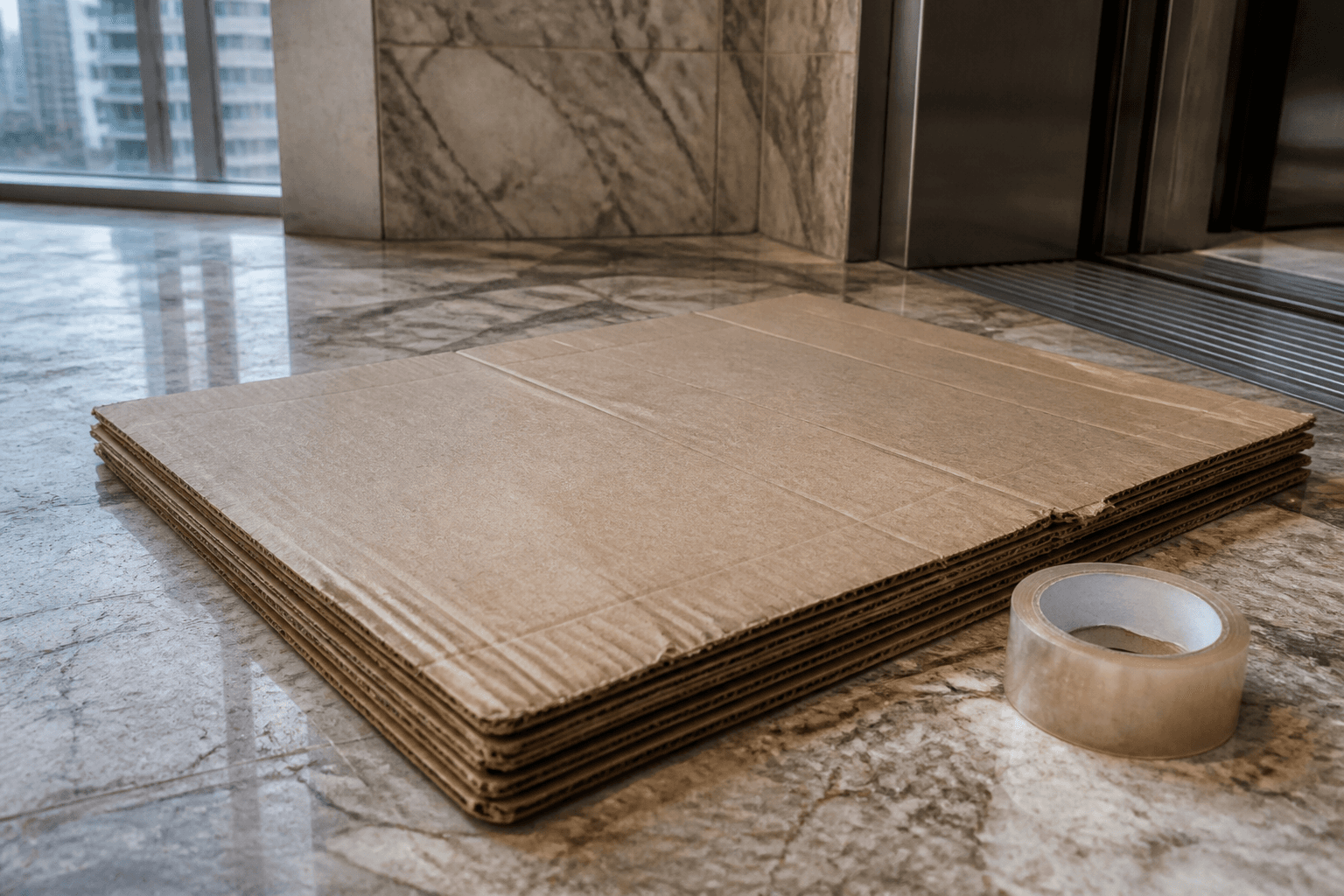
Elevator management is central to any vancouver september 1 2026 move-in logistics parking elevator permit plan, because elevator bookings often determine how quickly you can complete the move. Vancouver condo and apartment buildings frequently treat the elevator as shared infrastructure: there may be set move-in time blocks, limits on how many trips you can make during a single booking, and requirements for floor and wall protection. In neighbourhoods like Downtown, Coal Harbour, and Yaletown—where buildings are dense and lobbies are shared—elevator protection rules are especially common. Your building may require cardboard, corner guards, or floor runners, and may prohibit tape directly on the elevator walls or finishes.
To handle elevator rules smoothly, request the building’s written move-in requirements as early as possible. Ask whether the elevator reservation is done by the building, by the strata, or through a third-party system. Then confirm the starting procedure: do you report to the concierge, pick up a move-in kit, or install protection yourself? Some buildings will require you to bring your own protective materials; others provide a kit but still require you to use it correctly. If the building lists “no exceptions,” follow it—damaging an elevator can mean costs and delays.
Scheduling should match your operational reality. For example, if you have large items like a sofa, bed frame, or dining table, plan the order so bulky pieces aren’t waiting while smaller boxes move first. This reduces elevator dwell time and helps ensure you finish before the booking ends. Also consider that elevators might be unavailable at the start of your window while the previous mover clears the route and removes protection. Build buffer time into your plan.
Finally, coordinate the elevator timeline with your curbside plan. If your truck is delayed by parking availability or permit confirmation, you lose the elevator window, and then the next booking may not be close. A professional mover will typically schedule with overlap safeguards—so you don’t arrive with furniture when the elevator reservation has already expired. Boxly’s marketplace listings help you compare service levels and availability, making it easier to secure experienced movers who know how to execute clean, protection-first moves that respect Vancouver building policies.
4) Building rules for lobbies, hallways, stairs, and move-in damage prevention
Beyond elevators and parking, Vancouver buildings often control shared-space behaviour: lobbies, elevators, hallways, and sometimes stairwells. These rules exist because damage can be expensive and disruptive, particularly in older buildings or newer towers where finishes, light fixtures, and corridor layouts can be sensitive. In Kitsilano and Mount Pleasant, for instance, you may encounter older hardwood, narrow corridor turns, or stairwell constraints. In Downtown and the West End, lobbies can be high-visibility areas with strict “clean and careful” expectations. Your move plan should therefore include how you’ll protect these surfaces, how you’ll stage items temporarily, and how you’ll keep paths clear.
Start by asking the building what “protection” means in practice. Many properties require cardboard to cover floors during move-in, with runners for elevator threshold areas and corner guards for items that might scuff walls. Some buildings restrict the use of straps on painted surfaces, limit the amount of tape allowed, and require that any marks are removed. Others require you to vacuum or sweep the route after the move so the shared spaces return to baseline condition. Also ask about where you can place boxes temporarily—some allow a brief staging area in the lobby; others require everything be moved directly into the unit.
Another rule that matters: traffic management. Buildings may restrict the number of movers, require a designated path from the entrance to the elevator, or set limits on how long you can wait at the elevator before moving on. If stairs are required due to elevator shutdown or after-hours policies, ask about the stairwell procedure. Stair moves can be slower and increase risk, so plan for it. If your item list includes heavy appliances, confirm whether the building has any restrictions on carrying through the lobby or whether it requires specific dollies or appliance skates.
Damage prevention is also about preparation. Use the right packaging for corners, legs, and glass surfaces—wrap furniture before you arrive rather than relying on quick fixes at the door. Keep a moving kit for the day: protective pads, stretch wrap, and basic tools for reassembly. When you follow the building rules, you’re not only reducing the chance of damage—you’re also increasing the likelihood the building confirms your move-in pass on time. Boxly can help match you with movers experienced in Vancouver condo processes so your logistics include these building expectations, not just the transport.
5) A realistic move-day timeline for Sept 1: curbside to unit hand-off
A successful vancouver september 1 2026 move-in logistics parking elevator permit plan depends on timing discipline. On Sept 1, you’re not just moving; you’re executing a sequence where curbside loading, elevator reservation, and internal building rules must all overlap. A realistic approach is to build a timeline that starts with truck arrival, includes immediate protection and staging, and ends with a “wrap and reset” phase so the building isn’t left with debris. Begin by scheduling your truck arrival earlier than your elevator booking start by enough time to account for legal curb stopping, permit checks, and unloading setup. In Vancouver’s busy September conditions, a 15–30 minute buffer can prevent the most common failure: being ready to unload but unable to stop legally or access the elevator route.
Once the truck is parked legally, start with protection and staging before moving heavy items. For example, protect the elevator threshold area and corridor path immediately so you can move with confidence. Then unload in an order that matches your apartment layout. Place the heaviest items first if the elevator run is part of a controlled sequence, or place bulky items first when your goal is to clear narrow hallways before smaller boxes pile up. If your building requires specific placement for boxes or prohibits blocking fire exits, follow that route strategy from the beginning.
Align each elevator trip with a clear objective: “finish trip #1 with hallway staging cleared,” “trip #2 for furniture only,” or “trip #3 for remaining boxes and small items.” This reduces time spent reconsidering where items should go. It also helps you avoid the scenario where you rush and create floor scuffs or delays. When the elevator booking is nearing its end, prioritize final items that must be carried in (remaining boxes near the truck and essential items), and postpone non-critical tasks like furniture reassembly until after the main unload.
Finally, plan for cleanup and sign-off. Many buildings expect the area to be returned to a neat condition—cardboard removed, runners packed, and any minor debris swept. Completing cleanup while you still have on-site access prevents last-minute “can you come back?” requests from building staff. With Boxly, you can coordinate a schedule that protects your elevator window and keeps the move flowing—especially valuable on Sept 1 when Vancouver traffic and building demand are at their peak.
6) How Boxly helps you coordinate permits, elevators, and building compliance
Coordinating vancouver september 1 2026 move-in logistics parking elevator permit requirements is challenging when you’re juggling a lease, a truck, building staff, and deadlines. Boxly is built for the reality that Vancouver moves are highly variable: a high-rise in Downtown may have different elevator rules than a walk-up in Mount Pleasant, and curbside access can change block by block. The goal is to make your move logistics clearer before you commit. Using a moving marketplace helps you find the right fit—based on availability, experience level, and the specific constraints of your move-in building.
A practical way to use Boxly is to start with your move date and area, then note any requirements: elevator reservation rules, protection requirements, loading restrictions, and whether your building has a documented move-in procedure. When you share those details, you can reduce the back-and-forth on moving day and avoid mismatches like booking a service that isn’t equipped for strict condo compliance. For Sept 1, that matters because timing windows can be fixed and limited; delays cascade quickly if the elevator booking is missed or curbside access isn’t planned.
Boxly also helps you think in terms of the full process, not just transport. That includes helping you plan inventory and logistics so your moving crew can estimate the number of elevator trips and the duration of unloading. It’s a simple step, but it’s the difference between “we’ll see” and an executable plan. A well-planned move reduces pressure on parking windows and makes it easier to keep elevator and building procedures on schedule.
Because Vancouver buildings can be strict about damage prevention, choosing movers who understand typical requirements helps protect your deposit and prevents dispute risk. While permit specifics depend on the building and loading location, the underlying principle stays the same: confirm requirements early, coordinate your schedule tightly, and document what you agreed to. Boxly supports that approach by helping you access movers who are ready for the realities of Vancouver September move-in days. When you plan the elevator and loading workflow up front, you give yourself the best chance for a clean, on-time hand-off.
Frequently Asked Questions
Do I need a parking permit for my Vancouver Sept 1 move, or is the building booking enough?
In many Vancouver buildings, a building move-in booking and elevator reservation are not the same thing as parking authorisation. Even if your condo allows a loading window, you still need to ensure your vehicle can legally stop at the curb during the time you’re unloading. Neighbourhoods like Downtown and the West End often have dense traffic patterns and stricter curb rules, so you should confirm whether your building requires you to provide vehicle plate details, whether they supply a move-in parking pass, or whether you must obtain a separate permit/authorisation for the moving vehicle. The safest approach is to ask the property manager or concierge: (1) where the truck must stop, (2) whether the building coordinates curb access, and (3) whether there are any written permit requirements. For your schedule, align truck arrival so unloading starts promptly—because if your curbside plan is delayed, you can lose the elevator window. If you use Boxly to book movers, share your exact address and desired arrival time so logistics can be planned around the building’s rules.
How early should I book an elevator for a Vancouver September 1, 2026 move?
For a Vancouver September 1 move, the practical answer is: book as early as your building allows, and do it sooner than you think. September 1 is one of the most in-demand periods because leases and school-related moves often cluster around this date, increasing requests for elevator access and move-in scheduling. Many buildings only accept move-in bookings weeks or months ahead, especially when they enforce fixed windows and limited elevator time. Since each building differs, confirm your booking process with the property manager: whether you reserve directly, submit a form, or coordinate through the concierge. Once you know the process, request your elevator slot and ask whether you also need to reserve protection materials or confirm crew count. If your move includes large furniture or you expect multiple elevator trips, you’ll want a window long enough to complete unloading without rushing. A tight window increases pressure, which increases risk of scuffs and delays. Boxly can help you plan the service level and scheduling so your elevator booking aligns with your loading plan and staffing.
What kind of elevator protection is typically required in Vancouver condos?
Elevator protection expectations in Vancouver condos are usually specific, and they’re designed to prevent scratches, dents, and scuffed flooring in shared infrastructure. While requirements vary by building, common practices include covering elevator floors and thresholds with protective materials and requiring movers to use corner guards or padding on furniture edges. Many buildings ask for cardboard floor protection in hallways and sometimes in the elevator itself, particularly during high-volume move-in weeks like September. Some properties also restrict adhesive methods (for example, prohibiting tape directly on finished surfaces) and may require the use of runners rather than dragging items across the threshold. To prepare, request the building’s written move-in instructions so you know exactly what’s required and what your movers should bring. Then plan your packing and item handling accordingly: wrap items that could scratch metal or painted surfaces and ensure your dolly wheels are clean to avoid marking floors. A clean compliance-first approach protects your security deposit and helps keep the move on schedule—especially important when the elevator is booked in fixed time blocks.
Can movers use tape, plastic wrap, or straps during a Vancouver move-in?
Movers often use tape, plastic wrap, and straps—but whether they can use them on building surfaces is a different question. In Vancouver condos, many buildings have rules about not applying tape directly to elevator walls, lobby floors, or painted finishes. Some allow tape on protective coverings (like cardboard) but prohibit residue on finished surfaces. Others may require that any protective materials be secured without damaging surfaces or that adhesives remain on the floor cover only. Plastic wrap is commonly used to protect furniture and keep items together during transit and stair carries, and it’s usually safe for packaging as long as it doesn’t get applied to finishes. Straps are also typical for securing loads on dollies, but buildings may limit strap use if it increases risk of scuffing or if straps come into contact with walls. The best practice is to ask the building what’s allowed, then instruct your moving crew. When you plan vancouver september 1 2026 move-in logistics parking elevator permit workflows, treat compliance as part of the timeline—because if a building staff member stops your move due to non-compliant materials, it can cost you both time and your booked elevator window.
How long should I expect elevator unloading to take in a typical Vancouver apartment move?
Elevator unloading time depends on apartment size, the number of heavy items, hallway distances, and how your building handles loading flow. A realistic planning method is to estimate how many elevator trips you’ll need and the time per trip—including moving items from the truck staging area to the elevator, riding time, and placing items inside the unit without blocking corridors. Even without a formal building-provided metric, you can plan around a key principle: smaller trips are often slower operationally if items are distributed across rooms and require multiple handling steps. Large, well-packed loads can be faster if the route is clear and elevator access is uninterrupted. For Sept 1, assume less flexibility because elevator time slots are fixed and the next move-in could be waiting. If your building requires floor protection setup before moving begins, that initial step also counts toward your total time. Rather than guessing, compile an inventory list and group items by “first in” (furniture and essentials) versus “later” (boxes and décor). If you book through Boxly, provide your unit size and item list so the mover can propose an unloading plan that fits your elevator booking window and reduces the likelihood of overruns that lead to rushed finishes.
What should I do if I’m delayed on move-in day—can I still use the elevator I reserved?
If you’re delayed on Sept 1, the impact is often immediate because elevator reservations and building move-in windows are time-bound. Many Vancouver buildings manage move-in slots like appointments: your booking may start at a specific time and may end automatically or require re-confirmation if you arrive late. If your delay is caused by curbside parking challenges, traffic, or permit confirmation, the best step is to notify building staff and your moving team as early as possible. Ask whether your elevator slot can be extended, transferred to a later window, or if you must rebook. It’s also helpful to request guidance on whether there’s an approved staging area nearby if you’re parked and waiting. If you used a parking authorization, verify whether your vehicle can remain legally stopped while you’re waiting. Practically, delays also increase risk: movers may be forced to move items quickly, which can lead to scuffs and building complaints. The best prevention is scheduling overlap: align truck arrival with elevator time, build buffer for Vancouver September traffic conditions, and plan for quick protection setup so unloading begins without unnecessary downtime. Boxly can help you coordinate movers with the experience to manage these tight logistics and reduce disruption when timing is imperfect.