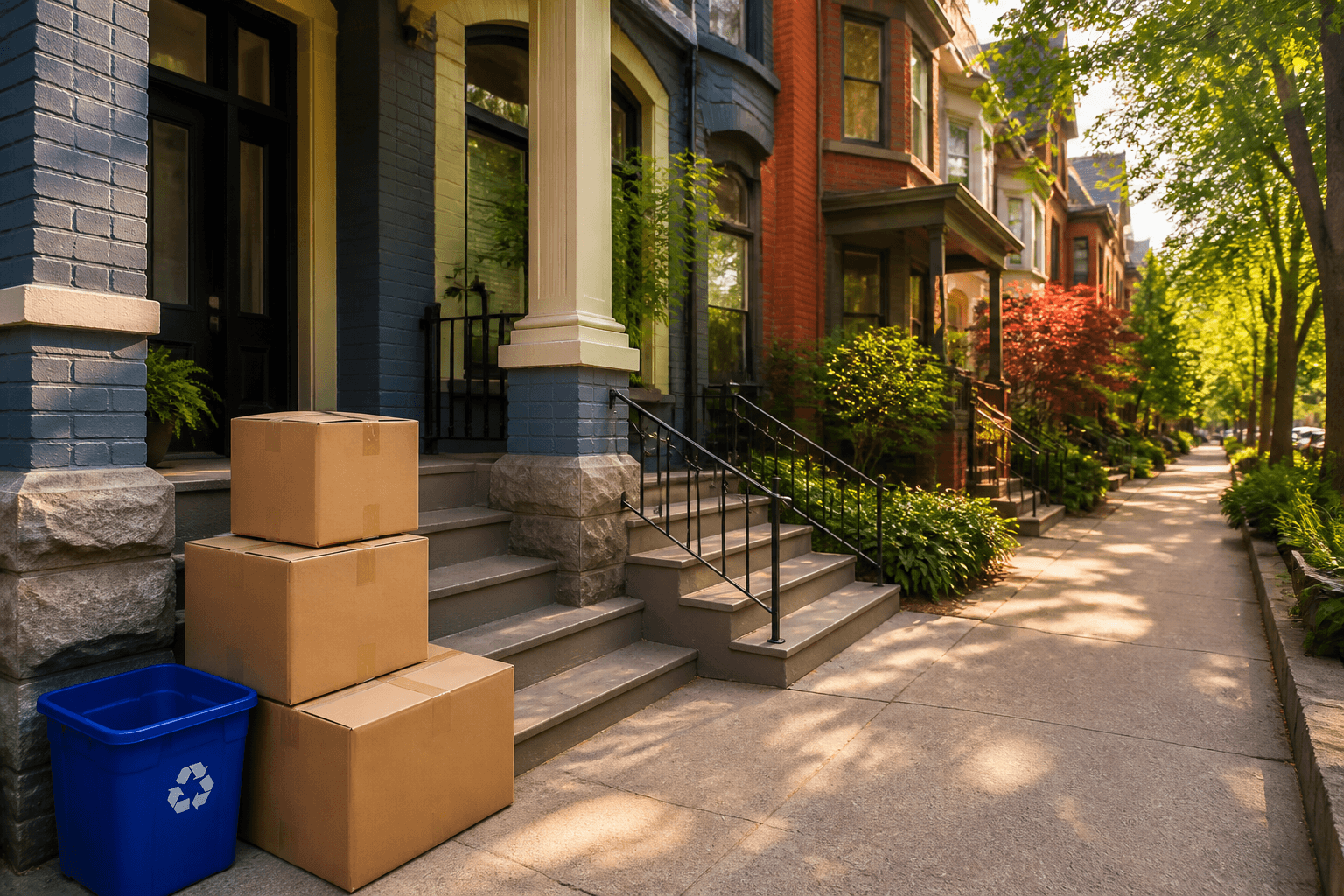
Toronto box basics: how to choose the right size and plan for 2026
Moving in Toronto starts with neighbourhood reality checks: many homes in Annex, Rosedale, and Leslieville have tight stairwells, older door frames, and limited elevator space in condo buildings. That means boxes and moving go together with practical packing decisions—especially in 2026 when online shopping deliveries can leave you with mixed-size cartons that don’t fit your layout or your weight limits. The safest approach is to standardize box sizes early: use medium boxes for most items, smaller boxes for heavy goods, and larger boxes only for lightweight items like linens or foam packing. Before taping, stage boxes near the packing zone and measure at least one critical path (front door → hallway → elevator/stairs). Then plan a weight distribution: bottom-heavy items can make a “light” box dangerous, and overstuffed boxes often fail at the taped seams.
Box size ranges that work in Canada: common dimensions and when to use them
In Canada, most moving cartons fall into practical size bands that align with common household loads. For everyday packing, medium boxes are the workhorse: they’re large enough for books, cookware, and kitchen goods, but still manageable for one person to carry. In contrast, large boxes are often a trap during boxes and moving planning because they invite overfilling—especially when you’re trying to “get it all into one.” For fragile or bulky items, use specialized boxes (like dish packs, mattress covers, or wardrobe boxes) instead of forcing everything into standard cartons. A useful rule for 2026 planning in Toronto homes: stock more medium boxes than extra-large ones. Large boxes are best for lightweight, high-volume items such as pillows, bedding, and stuffed décor. Small boxes work for heavy items and small hardware kits. If you’re reusing cartons from retail, confirm the box’s condition and approximate dimensions—crushed corners and failing flaps can reduce safety more than size alone.
Weight limits that prevent injuries: what to pack heavier, and what to avoid
Weight limits are where many moves go sideways in Toronto—particularly in walk-ups near Kensington Market, on-row homes in The Annex, and older buildings where you may need multiple stair trips. While manufacturers vary, the general safety approach for boxes and moving is to avoid packing so much weight into one carton that it becomes difficult to lift, carry, or set down without strain. The Canadian reality is simple: if a box feels awkward to hold with one hand at the midpoint, it’s too heavy for safe handling. For heavy contents (books, small tools, cookware), use smaller boxes and keep the load distributed evenly. Avoid overfilling: pressure can bow the cardboard and weaken the top seam, even when the tape looks intact. For fragile items, don’t pack heavy and breakable together in the same box unless you can fully cushion and separate items. Also plan for transitions—moving from driveway to lobby or from elevator to hallway—because that’s where corners catch and cartons slip.
How to reuse boxes safely in 2026 Canada (and when not to)
Reusing boxes in 2026 Canada can save money and reduce waste, but it has to be done with moving safety in mind. In Toronto, you’ll often have access to boxes from online deliveries, neighbours, and retailers around downtown and midtown. The key is selecting what’s reusable: choose cartons that are dry, strong, and structurally sound. Avoid boxes with water stains, soft spots, lingering odours, or wavy cardboard—those are signs of weakened fibre. Also reject boxes with crushed corners or taped-over tears that suggest prior failure; those cartons may look “fine” until you add weight. When reusing, remove old labels and shipping markings, then inspect the folding seams and bottom flaps. Reinforce weak seams with additional packing tape applied directly to the box’s reinforced edges, and test the box by lifting it carefully before you load it fully. A practical approach for households: reuse for lightweight items (linens, décor, books only if sturdy and properly cushioned) and consider buying new moving boxes for high-value or fragile goods.
Packing strategy that protects items: weight + cushioning + stacking rules
Even with the right box sizes and sensible weight limits, packing technique determines whether cartons survive. For boxes and moving in Toronto, consider the load path: cartons may be carried across thresholds, set onto utility floors, and stacked in a truck before transit. Use a simple stacking hierarchy. Place heavier, sturdy items at the bottom (and keep them small-box appropriate), then add lighter contents above. For fragile goods, use cushioning materials (bubble wrap, paper, or specialty dish inserts) so items aren’t rubbing against each other. Fill voids completely—an empty space is room for movement, and movement is what breaks glass during bumps. Don’t overpack cartons with no “give” in the lid—if the flaps fight closing, stop and repack into a smaller box. Stacking rules also matter: if a box bows outward or the top seam stretches when you press it lightly, it shouldn’t be stacked on multiple levels. Finally, label by room and content type—e.g., “Kitchen/Fragile” rather than “misc”—so handling is consistent during packing and unpacking.
Toronto move-day logistics: stairs, elevators, and how box choices affect speed and cost
In Toronto, move-day logistics are often the hidden cost driver. Condo buildings in places like North York, Yorkville-area towers, and downtown cores frequently have loading procedures, elevator booking windows, and strict move schedules. Walk-ups in neighbourhoods such as Queen West and Trinity Bellwoods add another layer: stairs and landing widths can make large boxes difficult to pivot without scuffing walls or damaging corners. That’s why box sizes should match your building layout. Measure and plan: confirm elevator dimensions (if applicable), hallway width, and the tight turns from front door to parking or loading bay. Oversized boxes can become bottlenecks, creating extra labour time for movers and potentially slowing the schedule. Efficient planning means using smaller, manageable cartons that a team can carry in fewer trips. For renters, also consider move-in timelines: many leases require notice and coordination, and you don’t want to discover bulky cartons on move day when loading windows are already tight. Good box choices reduce handling, reduce damage risk, and speed up the transition from truck to home.
Frequently Asked Questions
What box sizes are best for books and heavy items in Toronto moves?
For books and other heavy items, smaller cartons are typically the best choice because they help you apply practical weight limits while keeping the box easy to lift and carry through Toronto homes with stairs and narrow hallways. If you’re packing heavy items, aim for a box that allows the flaps to close comfortably without bulging. Use packing paper or filler to stop book spines from shifting, and keep the heaviest items at the bottom so the carton doesn’t become top-heavy. When reusing boxes, don’t assume “it’s sturdy enough” just because it held products before—retail boxes can be optimized for different weights and stacking methods. In Toronto apartment buildings, any box that strains your grip increases slip and drop risk during elevator transfers. A good practice is to pack, seal, and then do a careful lift test before you fully commit to that box being part of your main stack.
How much weight is too much for a moving box—what are realistic Canadian safety targets?
Canadian moving safety guidance doesn’t rely on a single universal number because cardboard strength, box dimensions, and item density vary. Instead, the safest real-world target is to keep each carton within a manageable lifting and handling range. A practical indicator: if you can’t lift a sealed box comfortably with a stable grip at its midpoint, it’s too heavy for safe boxes and moving handling. For heavy goods (tools, kitchenware, books), use smaller boxes and avoid “overstuffing” just to reduce the number of cartons. Also watch for structural signs: if a box flexes, bows, or creases along the taped seam when closed, it can fail under bump loads during loading/unloading. Toronto move-day environments—threshold steps, elevator landings, and stair turns—magnify these risks, so conservative packing decisions are worth it. If you’re unsure, split contents into additional cartons rather than exceeding your comfort and the box’s structural stability.
Can I reuse cardboard boxes from retail deliveries, and how should I inspect them?
Yes—reusing boxes from retail deliveries is common in Canada and can be done safely if you inspect each carton carefully before packing. Start by checking dryness: avoid boxes with water stains, warped cardboard, or any signs of moisture, because weakened fibre fails more easily. Look at corners and edges for crushed spots, and verify that bottom flaps are intact without tearing. Check the seam folds: if the box has opened during transit or shows stress lines, it’s a red flag for heavier contents. Remove old shipping labels and adhesive residue so nothing confuses your move-room identification. Then reinforce: apply fresh packing tape along the reinforced seams rather than simply covering old tape. For boxes and moving reuse in 2026, reserve reused cartons for lightweight or well-cushioned items first (linens, décor) and buy purpose-made moving boxes for fragile items or if you can’t confirm the carton’s strength. This reduces damage during trucking and during the walk through Toronto neighbourhood streets to your front door.
Should I buy new moving boxes or reuse to save money in 2026?
The best approach for boxes and moving in 2026 Canada is often a hybrid: reuse sturdy cartons for non-fragile, lightweight items, and buy new specialty or high-reliability boxes where failure is costly. New moving boxes are designed for packing pressure and handling, which matters when you’re loading into a truck, stacking in the garage, or navigating Toronto elevators and stairwells. Reuse can save money, but only when the cartons are structurally sound and dry—otherwise, damage risk rises. In terms of logistics, consider your time: if you’re short on boxes, buying can be faster than scouring for clean, undamaged cartons. If you’re flush with reusable ones, it’s still important to sort by size and condition so you don’t end up with oversized “temptation boxes” that become overpacked. A practical plan: buy dish packs and wardrobe/mattress protection (where applicable), reuse for kitchen/décor only if you can cushion well, and pack heavy items into smaller cartons regardless of whether they’re new or reused.
What’s the safest way to stack boxes for apartment moves in Toronto?
For apartment moves in Toronto, stacking safety is about stability and handling—not just saving space. Start by sealing boxes properly with tape on reinforced seams and ensure the lid closes without bulging. Pack heavy items in smaller cartons and place them on the bottom of any stack so the centre of gravity stays low. Lighter boxes go on top, but avoid stacking too high: if you need to press down to “make it fit,” you’re likely overloading the box structure. Fragile items should be fully cushioned and clearly marked so they aren’t stacked as if they were hardy. During move-day, boxes may be set down and lifted repeatedly, so stability matters more when moving through hallways and elevator landings. In practice, keep stacks aligned to avoid corner collisions and use a consistent pattern across rooms so movers can carry without guesswork. If you’re moving from condo to parking quickly, lower stacks reduce re-handling, which lowers damage risk.
How do I label boxes so unpacking is faster in a Toronto home?
Box labeling is one of the highest-ROI steps for boxes and moving because it reduces guesswork during unpacking and helps movers handle cartons correctly from truck to room. Use a simple system: label the room and the contents type. For example, “Kitchen / Fragile,” “Bedrooms / Linens,” or “Bathroom / Towels.” If you’re moving into a condo or townhouse, include a quick handling note like “FRAGILE” or “DO NOT STACK” only when it truly applies—over-labeling can reduce effectiveness. Put labels on at least two adjacent sides so that when boxes are stacked, you can identify them without moving everything. Use a marker you can read in low light, and keep labels consistent across reused boxes with old markings removed. If you’re using a hybrid plan (new specialty boxes plus reused cartons), your labels help differentiate fragile containers from sturdier ones. In Toronto’s busy move schedules, faster unpacking also means less time with boxes blocking entryways and elevators.
What should I do about boxes with damage or water exposure after storage?
If a box has been stored and shows damage or water exposure, the safest choice is usually to retire it from anything but the lightest uses—or replace it entirely. Moisture can weaken cardboard fibres, and a box that looks “dry on the surface” may still have compromised structure that fails at the seams when you load it. For boxes and moving, inspect for softness, warping, bubbling, or lingering odours. Also check for mould-like spotting (even small spots)—don’t pack food items or fragile glass in questionable cartons. Crushed corners can become failure points when boxes are moved through Toronto staircases or when a loader sets them down. If the damage is minor and you’re packing very lightweight items (like linens) you can consider reinforcement: fresh tape on seams plus careful packing with minimal pressure on the sides. But if the box bottom flaps are torn, the cardboard is soft, or the box flexes when sealed, replace it—especially for heavier items or anything fragile.