What is a commercial moving cost in Canada (and what’s included)?
Commercial moving cost in Canada is usually priced by distance, truck size, packing scope, stairs/elevators, and how much labour and protection your items require.
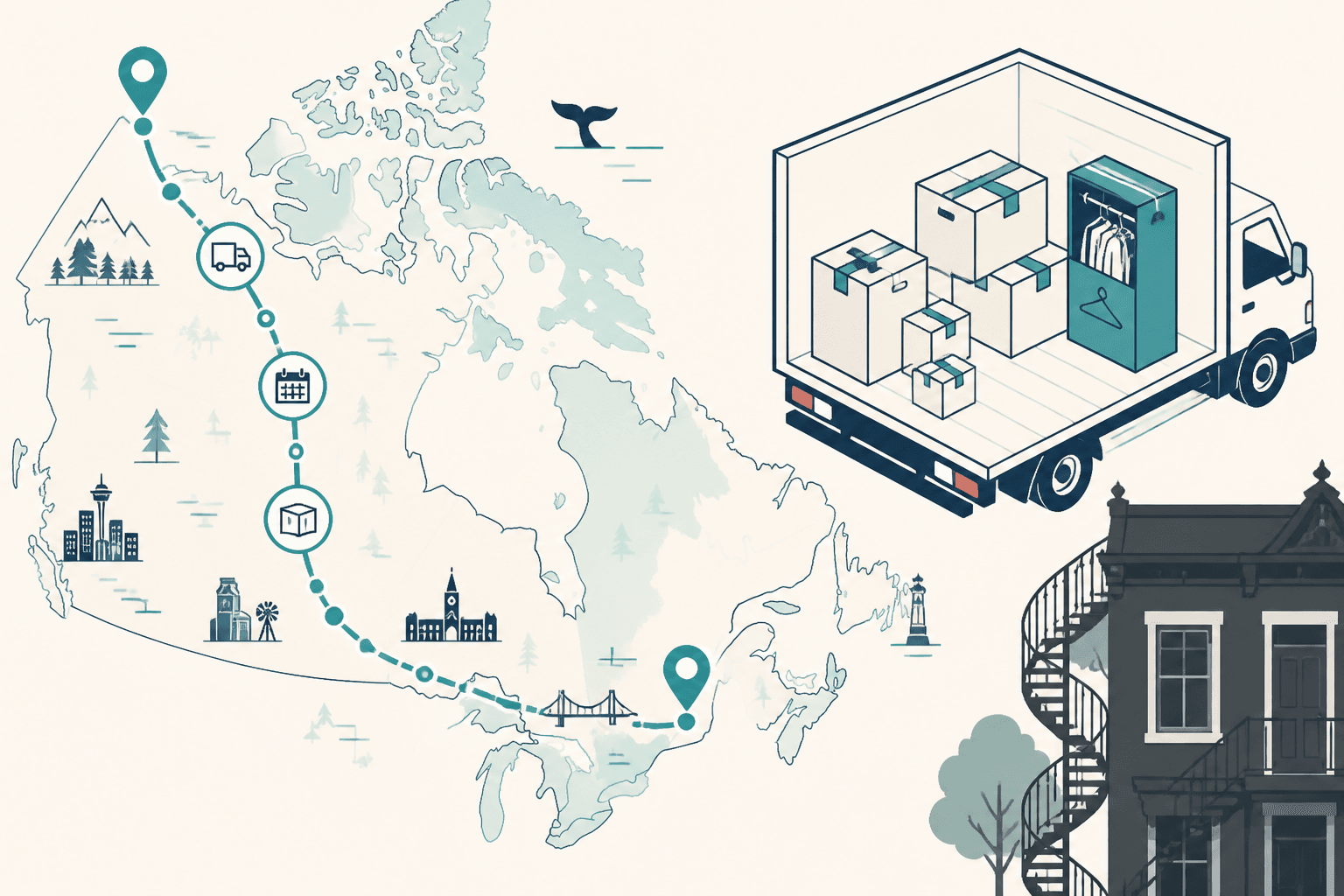
A commercial moving cost in Canada is the total amount you’ll pay to relocate a business—from planning and coordination through loading, transport, and delivery. While many companies think it’s “just the truck,” pricing typically reflects several cost drivers: the number of movers needed, the truck size (often tied to volume), travel time, and the complexity of access at both origin and destination (stairs, freight elevators, dock availability, parking rules, and loading zones). It also depends on whether the move is basic (furniture-only) or full service (disassembly, packing, crating, shrink wrap, labelling, and reassembly). Many quotes include standard padding and protection for common office items, plus on-site labour. Clarify what’s in your scope—like whether packing supplies, shrink wrap, or specialized handling for electronics are included—so your commercial moving cost estimate is comparable across providers.
Which factors most affect your commercial moving cost (local vs cross-Canada)?
The biggest drivers are access conditions, item type (fragile/specialty), timeline pressure, and distance; cross-Canada moves add fuel, time, and route complexity.
Your commercial moving cost can swing significantly based on operational realities, not just the “distance to the new address.” First, access and time-on-site matter: a tower with a freight elevator and dock might cost less than a walk-up with narrow doors, tight turns, or no loading area. Second, inventory type changes the labour intensity—filing systems, reception desks, and heavy equipment require different handling than typical cartons. Third, packing scope is a major lever: full packing and professional packing protection can raise your total, but it may reduce damage risk and reduce the hours your staff must spend preparing. Fourth, timing influences price. Moving during peak periods or outside business hours can add crew scheduling costs. Cross-Canada moves also add transit time and routing complexity; for example, transferring inventory between provinces typically requires more truck hours, planning for driver/vehicle schedules, and sometimes extra staging. To budget, treat your quote like a line-item comparison: crew size, truck size, packing level, insurance options, and any special equipment (piano/skate carts, dollies, lift-gate needs).
Typical commercial moving cost ranges in major Canadian markets
Canada-wide ranges vary by scope and access, but most businesses can expect broad spreads—from smaller office moves to large multi-department relocations—so scope clarity is key.
Because commercial moving cost depends heavily on scope and building access, there isn’t a single “standard” price across Canada. Still, businesses can use real planning anchors: commercial moves are commonly quoted as a bundled job (labour + truck + basic protection) rather than a simple per-box rate, and complexity increases with floor level, elevator capacity, and whether specialized items need additional protection or disassembly. In practice, smaller local office moves may cost substantially less than larger, multi-floor relocations, while cross-province moves can be priced higher due to longer transit time and scheduling constraints. When comparing quotes in markets like Toronto, Montreal, Vancouver, Calgary, and Halifax, pay attention to the same variables: minimum crew size, minimum call-out time, and whether parking/loading fees, fuel surcharges, and packing supplies are included. Many companies underestimate the cost of “hidden work” like coordinating elevator bookings, after-hours move windows, and reassembly of workstations. A reliable mover will show how they derived the commercial moving cost estimate—so you can reconcile differences and avoid last-minute change orders.
How to get accurate pricing: a checklist for your commercial move
A detailed inventory, clear access details, and timeline constraints are the fastest way to receive accurate commercial moving cost quotes.
To get accurate commercial moving cost estimates, treat your request like a mini-project plan. Start with inventory clarity: list major categories (desks, chairs, modular systems, filing cabinets, boxed goods, IT equipment, safes, and any specialty items) and approximate counts or volumes. Next, provide access information: floor number, door widths, elevator dimensions, whether there’s a freight elevator, and whether the loading area can accommodate your truck size. If there are stairs, steep ramps, or uneven paths, flag them early—access is often one of the largest swing factors in final pricing. Confirm timing details: desired move date, any required off-hours window, and whether you need delivery on a specific day for operations continuity. Also ask about packing scope: will you pack in-house, or do you want professional packing and supplies? Finally, request written scope confirmation. Good quotes define what’s included (padding, shrink wrap, disassembly/reassembly) and what triggers change orders (additional stops, waiting time due to elevator delays, or extra packaging materials). This checklist helps you compare quotes on an apples-to-apples basis.
Budget strategies: reduce commercial moving cost without increasing risk
Control cost by managing packing scope, scheduling, and inventory readiness—while prioritizing protection for high-value or fragile items.
You can often reduce commercial moving cost without compromising safety by focusing on preparation and smarter scoping. First, reduce uncertainty: declutter by relocating only what you need, and separate “keep” items from surplus inventory. Labeling and staged packing (by department or destination area) can shorten on-site sorting time—labour time is usually a primary cost component. Second, optimize the move window: booking the right elevator and loading access reduces waiting time, which otherwise adds billed hours. Third, choose an approach for packing based on item risk. Many businesses handle routine office cartons in-house, while professional packing is reserved for electronics, glass, documentation systems, and high-value furniture. Fourth, plan for reassembly and downtime. If you need workstations rebuilt or IT equipment installed, include that in your scope rather than assuming “it’ll be quick.” Finally, confirm insurance coverage and how damage claims are handled; paying a little more for proper protection can be cheaper than repairing or replacing damaged assets. Use quotes to compare cost against risk, not just against the lowest number.
Commercial moving cost FAQs that help you avoid surprises
Common surprises include scope gaps, wait times, unclear packing responsibilities, and missing info about access and special items.
Many businesses don’t get burned by the truck cost—they get surprised by what wasn’t clearly defined. The biggest risk is scope mismatch: a quote might assume “furniture-only” while you later expect crating for fragile equipment, or you might request packing day-of without giving inventory details. Wait time is another common cause of cost creep; for example, elevator reservations can fail to align with the moving team’s arrival, or loading zones may require permits or timed access. Packing responsibilities can also shift costs: if your staff is packing, confirm whether the mover is supplying boxes, tape, stretch wrap, and labels, and whether the mover is responsible for loading packed boxes only. Specialty handling matters too—safes, commercial-grade printers, and bulky modular furniture require extra time and sometimes specialized tools. Finally, ensure the quote includes destination handling: where items will be staged, whether there’s reassembly, and whether disposal of packing materials is included. The best way to prevent surprises is to ask for a written scope summary and to confirm access conditions at both ends before moving day.
Frequently Asked Questions
How much does a commercial move cost for a small office in Halifax vs bigger cities?
A small office commercial move is usually priced by the combined effect of crew size, truck volume, and time on-site—so Halifax can be similar to other Canadian cities when the scope is comparable (same packing responsibilities, similar floor access, and similar inventory weight/volume). That said, access conditions can differ: older buildings and certain walk-up configurations may mean more labour for stairs or tighter turns, while downtown towers may offer freight elevators and structured loading docks that reduce handling time. Bigger cities also tend to have more scheduling constraints for loading zones and elevator bookings during peak hours, which can increase wait time if timelines aren’t aligned. To get a true apples-to-apples commercial moving cost comparison, request quotes that break out labour hours, truck type/size, packing scope, and any additional fees like parking or equipment needs. If you’re comparing Halifax to Toronto, Montreal, Vancouver, or Calgary, make sure the quote assumptions about packing and access match exactly.
Are packing supplies included in commercial moving cost quotes in Canada?
Packing supplies are frequently either included in the commercial moving cost or priced as an add-on—there isn’t one universal rule across Canada. Many movers include basic protection for furniture (like padding and stretch wrap) as part of the job, especially for furniture and common office items. However, cartons, specialty boxes, tape, labels, and “professional packing” materials (like higher-grade wrap or crating materials for fragile products) are often dependent on your selected service level. If you choose full service, supplies are commonly included; if you choose partial service (for example, you pack your own boxes), then the mover may only provide moving-related materials such as straps or general protective coverings. The practical takeaway: ask the quote to specify what’s included line-by-line. If you’re budgeting, separate “materials” from “labour” so your commercial moving cost doesn’t surprise you later with last-minute supply charges. This also helps you decide whether it’s cheaper to pack in-house for standard items while keeping delicate or high-value items in the mover’s hands.
What’s the most affordable time of year for a commercial move in Canada?
Seasonality can influence commercial moving cost in Canada because scheduling demand changes through the year. In many regions, summer and early fall are popular for residential and some commercial moves due to longer daylight and staffing availability, which can tighten availability and raise prices. Winter can be cheaper at times because demand may soften, but weather can add operational complexity—ice, snow, and reduced road conditions can slow loading and travel. The best “affordable time” is therefore a combination of lower demand and manageable risk for your specific route and building access. For example, in areas that experience heavy snowfall, you may need extra buffer time for curbside conditions and to ensure staff safely move items in icy conditions. Instead of choosing purely by calendar, ask your mover how they price for date flexibility. If you can move mid-week or outside peak business hours, you may get better availability and reduced waiting time. Always confirm that any weather-related delays won’t convert into unexpected billed hours by clarifying scheduling buffer in your agreement.
How do elevator bookings and loading zones affect commercial moving cost?
Elevator bookings and loading zones can have a direct effect on commercial moving cost because they affect time on-site and the efficiency of loading and unloading. If your building requires reserved elevator time, you need to coordinate the mover’s arrival window with the building’s process; otherwise, crews can arrive ready but must wait for access, which may be billed depending on your contract. Loading zones can create similar issues: even if a truck can park briefly, it may require permits, timed access, or specific vehicle restrictions. In busy downtown areas, traffic conditions and enforcement may limit how long the truck can remain in the loading zone, increasing the risk of delays and additional handling. These factors don’t always show up in a low-level quote unless you provide accurate access details. Ask your mover to confirm whether their estimate assumes elevator booking times, whether you’re responsible for permits, and how waiting time is handled. Providing your building’s contact or written loading/elevator requirements early helps keep commercial moving cost predictable and reduces last-minute change orders.
Do I pay more for commercial moving cost when moving IT equipment and electronics?
Commercial moving cost often increases when IT equipment and electronics are included, primarily due to added handling care and preparation steps—not because electronics are inherently difficult, but because they’re high-value and damage-sensitive. Professional movers may require extra time to disconnect equipment safely, pack with protective materials appropriate for monitors, servers, networking hardware, and peripherals, and use careful stacking to avoid vibration or impact during transit. Some movers may also handle secure transport practices for sensitive assets and coordinate staging to ensure equipment reaches the correct destination room or rack area. If your IT department requires specific shutdown or redeployment procedures, that can also affect the schedule and labour time. The best way to budget is to provide an inventory list (counts by device type, approximate sizes, and whether equipment is rack-mounted or on desks) and clarify who does disconnection: your IT team or the movers. A clear scope reduces cost surprises—because the quote can reflect the right level of protective packing and the right number of labour hours.
How do insurance and claims work if something gets damaged during a commercial move?
Insurance and claims are a critical part of budgeting for commercial moving cost, because the “cheapest” quote may not include the protection level you actually need. In Canada, many reputable movers provide carrier liability options, but the coverage terms can vary—especially for high-value goods, electronics, and fragile items. Some shipments may be covered under standard liability limits, while higher protection may require supplemental insurance or declared-value agreements. The key is to ask what is covered, what limits apply, and what documentation is required for a claim. Also confirm how the mover handles packing responsibility: if you pack items in-house, the condition and packaging quality can affect claim outcomes. A good mover will conduct pre-move walkthroughs, recommend appropriate packing for fragile items, and document items prior to loading. If your business can’t afford downtime, ensure your scope includes proper protection for critical assets, and ask whether replacement or repair expenses are realistically addressed under the insurance terms. Clear documentation at move-in (photos, condition notes) is often essential for a smooth claims process.