What is a storage pod for moving, and why Canadians use it?
A storage pod is a weather-resistant container delivered to your home, kept onsite or moved to a secure facility, letting you store belongings safely during delays or renovations.
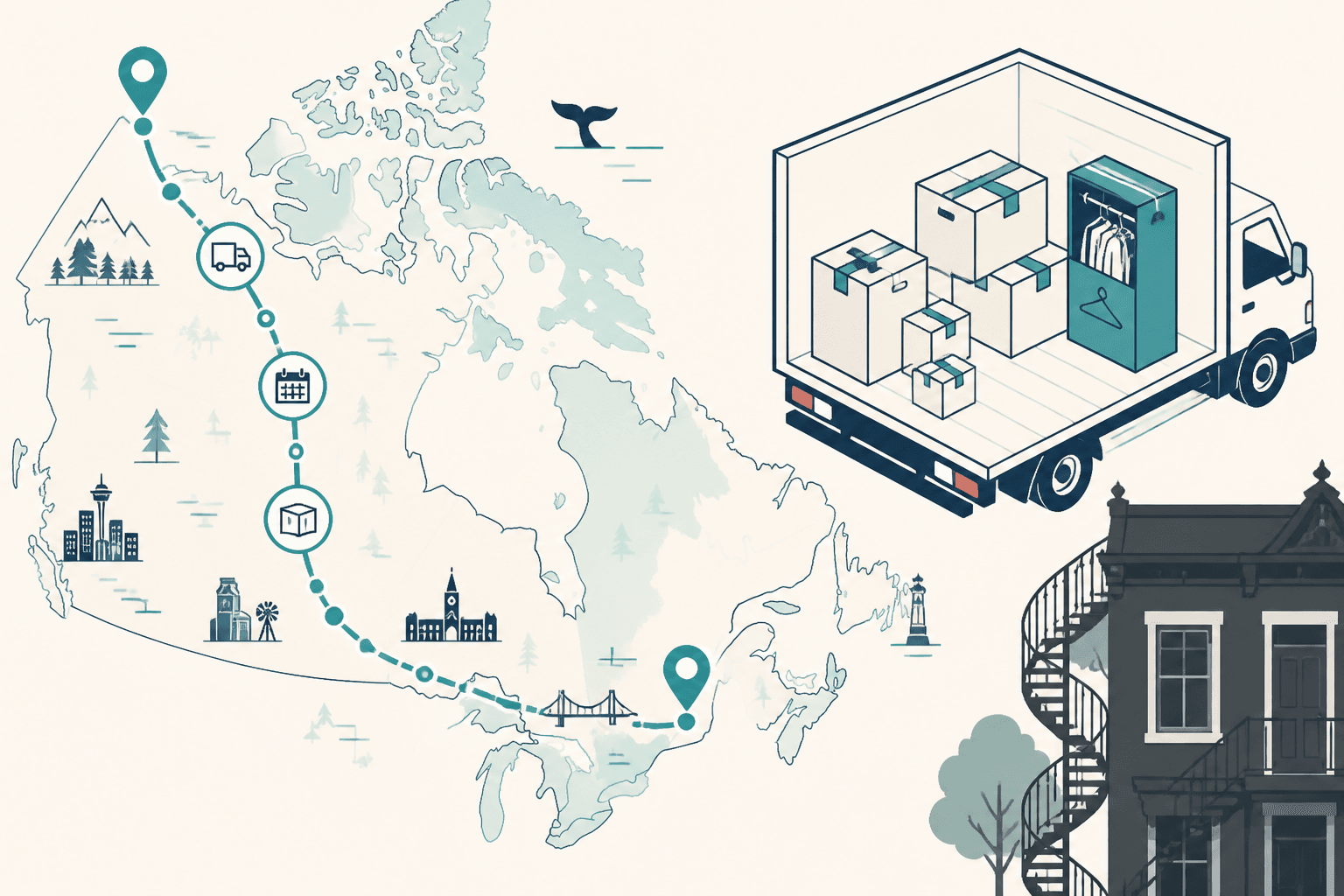
A storage pod for moving is a secure, weather-resistant container that a company delivers to your address so you can pack at your pace. Instead of rushing everything into a truck on a fixed date, you load the pod in stages—after work hours, on weekends, or during a renovation—then either keep it on-site temporarily or have it transported to short- or long-term storage. For Canadians, the appeal is practical: moves often don’t align neatly with lease end dates, building access windows, or renovation timelines. In cities with busy streets and limited loading zones, having a pod delivered can reduce last-minute chaos. It also helps with cross-country plans, because you can store household items while waiting for new keys, temporary housing, or a new home closing.
Across Canada, this “pack now, decide later” model supports real life—weather delays, contractor schedules, and buyer/seller timelines. Whether you’re moving within Ontario or planning a relocation across provinces, a storage pod can turn an unpredictable move into a manageable sequence.
How does a storage pod for moving schedule work with real timelines?
Pod moves typically follow a delivery–pack–pick-up (or delivery–store) flow, helping you bridge lease gaps and closing-date changes without paying for constant rebookings.
A typical storage pod for moving schedule starts with delivery to your property at an agreed time. You then have a window to load belongings—no need to be fully packed before delivery, which is a major advantage when your move depends on final cleaning, elevator bookings, or contractor punch-list work. Once you finish packing, the pod is either picked up and moved into secure storage, or transported directly to your new address if your timing is aligned. If you’re in a situation where you’re waiting for keys, the pod storage option helps bridge the gap so you don’t have to “figure out storage” on the worst possible week.
In Canada, scheduling matters because residential moves often hinge on access rules: condo move-in dates, restricted hours for elevators, and parking/loading restrictions in urban areas. A pod can help you avoid multiple partial moves and reduce the number of days you need movers on-site. Many Canadians use pod storage during renovations, after a sale when they’ve already moved out, or before a long-distance move. The key is to plan around real dates: when loading space is available, when your current lease ends, and when your new home is ready to receive items.
What sizes and packing limits should you expect for a storage pod?
Choose a pod size based on room count and how much you’re storing; you can usually pack flexibly, but keep within weight and access rules for safe, secure transport.
Selecting the right storage pod for moving is mostly about volume and how your items stack in three dimensions. Many companies offer multiple pod sizes—common options include smaller containers for studio/one-bedroom moves and larger sizes for two- to four-bedroom household quantities. The best fit often depends on whether you’re storing everything or downsizing: if you’re decluttering, you may be able to choose a smaller pod and still keep essentials in the same container. If you’re moving bulky items—mattresses, sofas, outdoor equipment, or large entertainment units—you’ll want extra room so items aren’t compressed or packed in ways that make unloading difficult later.
Packing limits typically include practical constraints: you’ll need to ensure aisles remain clear, doors close securely, and items are packed to prevent shifting. Avoid overfilling or blocking vents if your pod includes ventilation. Weight rules vary by provider and container type, but safe packing usually means distributing heavier items at the bottom and using proper cushioning for fragile belongings. In a Canadian home, climate considerations also matter: wrapping electronics, sealing toiletries and cleaning liquids, and protecting items from humidity help prevent damage during storage—especially in provinces that experience high humidity or significant temperature swings.
If you want the simplest approach, estimate by rooms (for example: studio/1BR usually fits a smaller container; 3BR+ often requires a larger pod) and confirm your plan with Boxly’s booking flow so you choose a size that matches how you actually live, not just the floor plan.
Is a storage pod for moving secure, weatherproof, and protected?
Well-run providers offer secure containers, on-site or facility storage, and protection practices—important for Canadian weather, including snow, rain, and temperature swings.
Security and weather protection are the two questions most Canadians ask when considering a storage pod for moving. A good pod is built as a sealed container, designed to handle everyday Canadian conditions—rain, snow, and temperature changes—while keeping belongings contained. When the pod sits on your property, you also get control over where it’s placed, such as near your driveway where it’s easier to monitor and manage access. When the pod is moved into a secure facility, reputable providers store containers in controlled areas with procedures intended to protect your items.
Weatherproofing matters because storage often spans weeks, not days. Canada’s winters can bring repeated freeze-thaw cycles; spring can bring rain and wet snow; and humidity can rise in certain regions. Proper packing is part of protection: using plastic bins for linens and non-porous items, double-wrapping fragile glass, and keeping paper goods elevated from the floor all reduce risk. If you’re storing items like winter clothing, consider breathable garment bags rather than sealed plastic (unless the items are very dry) to minimize moisture issues.
The best results come from pairing container security with responsible packing habits. Ask your provider what security measures exist during on-site periods and after pickup, and confirm how deliveries and pick-ups are handled. Boxly supports you through the process so you can plan a storage period with confidence.
How does the cost of a storage pod for moving compare to other options?
Pods can be cost-effective when you need flexibility for timing, bridge storage, or staged moves; compare total costs like truck time, extra mover days, and storage fees.
Cost is where many Canadians realize a storage pod for moving may be more predictable than traditional alternatives. Instead of renting a truck for a single day and then scrambling for storage, a pod approach can combine packing time flexibility with storage in one plan. Traditional self-storage often requires multiple trips: load your belongings into a rental truck, drive to the facility, pay by unit size, then return to retrieve items later. If your move timeline is uncertain—common in Canada—those trips can multiply and add fuel, labour, and scheduling stress.
When comparing prices, look beyond the headline number and consider your total move cost. Key cost components include: how many days you need professional movers, whether you’ll require extra elevator bookings, truck rental duration, and the cost of waiting for your new place. Pod storage may be especially helpful when you’re bridging a lease gap or you need to store belongings while renovations finish. If you’re planning a long-distance move, compare pod storage plus local delivery versus paying for additional re-handling.
Realistic Canadian budget ranges can vary widely by region, pod size, and duration. Rather than guessing, use a provider’s online estimator or booking flow to quote your specific scenario. Boxly helps Canadians compare options so you can weigh total value: convenience, reduced rebooking risk, and fewer moving days. The cheapest choice is rarely the one that forces multiple partial moves.
What are the pros and cons of using a storage pod in a Canadian move?
Pros include flexible loading and fewer rebooking surprises; cons can include planning for placement, packing time, and sometimes tighter driveway/loading logistics.
A storage pod for moving comes with clear advantages for Canadian households, especially when timelines are messy. First, you get flexibility: you can load gradually, which is ideal if work schedules, school calendars, or renovation delays affect your move. Second, you reduce the pressure to “finish packing by a specific hour,” a common stress point with truck rentals and short mover windows. Third, pods can reduce handling—fewer transfers means fewer opportunities for minor damage during loading and unloading. For many people, that matters as much as cost.
However, there are trade-offs. Pod placement requires enough space on your property or a nearby location, and you may need to plan for permits or parking rules depending on your address type. In busy neighbourhoods with restricted curb space, you’ll want to confirm where the pod can be delivered and whether any permits are required. Also, because you’re loading the pod, you’ll need time to pack efficiently. If you’re short on labour, you might consider help from friends, a local moving team, or professional packing services.
Ultimately, the best pod experience happens when you plan ahead: pick the right size, choose a practical delivery spot, pack systematically, and schedule pick-up around your lease and access windows. For Canadians who value control over their move timeline, a pod can be the difference between “survival mode” and a calm, organised transition.
How to choose the right storage pod provider and booking experience (Canada-wide)?
Look for clear size guidance, transparent pricing, reliable delivery/pick-up windows, and support for city-specific constraints like condo move rules.
Choosing the right storage pod for moving is less about hype and more about reliability and clarity. Start with the booking experience: can you easily select a pod size, understand timelines, and receive transparent information on delivery and pick-up? The best providers make it simple to plan around real constraints like condo move-in schedules, elevator bookings, or limited parking. In large Canadian cities, move-in windows are often strict—some condos require move reservations, while others restrict hours and building entrances. A provider that supports scheduling coordination helps you avoid last-minute cancellations.
Next, evaluate the protection and handling process. Ask about container condition checks, how the pod is secured for storage, and how damaged items are handled if any issues occur. While no solution can eliminate all risk, strong providers use consistent procedures and clear communication. Also confirm how long the typical storage window lasts and whether extensions are available without major disruption.
Finally, prioritize customer support that speaks to how Canadians move. For example, you may need guidance about what fits, how to pack fragile items, or whether certain bulky furniture should be stored differently. Boxly’s marketplace approach is designed to help you compare and book with confidence—so you can focus on your move rather than paperwork and uncertainty.
Frequently Asked Questions
How far in advance should I book a storage pod for moving in Canada?
In Canada, the safest rule is to book as soon as you know your moving “anchors”: your lease end date, your expected closing date, and the earliest date you can receive items in your new home. For summer moves (June to August), booking earlier is especially important because demand rises and condo move-in schedules get booked quickly. If you’re relocating during winter, weather can also impact delivery logistics, so earlier planning helps. Many people can book a pod a few weeks ahead, but the ideal lead time depends on your region, the pod size, and whether you need flexible storage duration.
If your move is tied to a sale or construction completion, plan for variability. Choose a buffer week for packing and confirm pick-up timing after your belongings are fully loaded. It’s also wise to prepare for access rules: some condos require reservations, and some buildings limit elevator use or restrict bulky-item entry. When you book early, you’re more likely to secure an appointment that fits your schedule instead of forcing multiple reschedules. If you’re unsure, Boxly’s booking flow can help you estimate timelines and choose a pod size that matches your moving plan.
Can I keep a storage pod on my driveway or property during winter in Canada?
Often, yes—many Canadians use a storage pod for moving by placing the container on their driveway or property while they pack. During winter, however, practical factors matter. Snow accumulation, plowing schedules, and access for the delivery truck can all affect how and where the pod sits. Before you book, confirm placement requirements with your provider and make sure your driveway or parking area can accommodate the pod’s footprint and any delivery equipment. If you rely on street parking, check local municipal and provincial rules for curb/parking restrictions and whether the pod can remain in place throughout your timeline.
Weatherproofing of the pod is designed to handle rain and snow, but packing still plays a role in protecting your belongings from moisture and temperature swings. Wrap items like electronics, documents, and upholstery appropriately. Use sealed bins for non-porous items and protect mattresses and cushions with moisture-resistant covers. If your storage extends through freeze-thaw cycles, avoid packing items directly on the floor if possible—use boards or raised platforms when recommended.
If you’re unsure about winter placement, consider arranging the pod for delivery during a window when you can still access the driveway easily and confirm pick-up in advance so you don’t get stuck waiting for plowing or thaw conditions.
What should I pack first and last in a storage pod for moving?
For a storage pod for moving, pack in a way that protects your items and also supports an efficient unload later. Start with items you won’t need immediately—seasonal clothing, holiday décor, books, and spare linens. Keep heavier boxes on the bottom to prevent shifting, and use smaller items to fill gaps so everything stays stable when the pod is moved or transported. If your pod will be handled multiple times or stored off-site, stability becomes even more important.
Pack “everyday essentials” later: toiletries, a few kitchen items, basic bedding, and anything you’ll need right after you move. Label boxes clearly for the room they belong to, but avoid overpacking labels with too much text—simple room labels make unloading faster. For fragile items, wrap individually and secure with cushioning. Dishes should be packed upright, not loose. For clothing, use garment boxes or dresser drawers if you have them; for shoes, keep pairs in boxes or bags to reduce scuffs.
Finally, keep a plan for the last items you’ll remove. If you’ll need bedding soon, place it where it’s easy to access. A common mistake is to stuff bulky or heavy items on top of critical items, which makes unloading harder. A quick packing map—mentally or on paper—helps you access what you need without tearing through everything else.
Does a storage pod for moving work for cross-country moves or long-distance relocations?
Yes, a storage pod for moving can work well for cross-country relocations, especially when you need a buffer between moving out and moving into your new home. The pod model is flexible because you can pack your belongings at your origin, store them securely for as long as needed, and then move them to your destination when your dates align. This is particularly useful in Canada where closing dates, temporary housing, and travel planning can shift—sometimes due to documentation timelines or renovations at the destination property.
For long-distance moves, the main considerations are scheduling and logistics. Confirm how pick-up and transport are handled by your provider, what the storage options are if your destination isn’t ready, and whether there are any restrictions on certain items. Heavy furniture and large appliances may require special handling rules depending on the provider and any local regulations. Packing stability is also crucial for long-distance handling—items should be secured to reduce movement.
If you’re unsure about timing, choose a storage plan that includes enough buffer to avoid emergency storage fees or last-minute rebookings. Boxly helps Canadians compare options and book a plan that matches the realities of travel and moving across provinces.
How long can I store items in a storage pod, and can I extend the time?
Storage duration depends on the provider and the booking terms, but many Canadians use storage pods for moving during short transitions—such as bridging a lease gap—or for longer periods during renovations or home repairs. The best approach is to plan around your actual timeline: when you’ll pack, when you’ll move out, and when your new space will be ready. If you’re storing off-site, you typically want enough time for deliveries, unloading, and any delays related to access or building rules.
Extensions are a common need. Reasons include delayed renovations, postponed closing dates, or changes in temporary housing. When you book, ask about extension availability and how pricing is handled for additional weeks. Since storage costs often scale with duration, getting clarity upfront prevents surprise charges. It’s also useful to confirm whether you can access the pod or items during storage; some models support access only through specific procedures, while others don’t allow direct access.
For planning, choose a realistic window rather than a minimum estimate. In Canada, even “simple” moves can shift by a week or two due to weather, contractor schedules, or paperwork. If your timeline is uncertain, building in buffer time often costs less than rushing a later reschedule.
Is a storage pod for moving better than renting a truck or using mini storage?
It can be, depending on how uncertain your timeline is and how much labour you can manage. Renting a truck is often straightforward for same-day moves, but it usually works best when you have a fixed pickup and fixed delivery date. In Canada, that’s not always realistic. When lease end dates don’t line up with move-in dates, a truck rental can turn into extra trips, extra days, and multiple rebookings—plus you still need somewhere to store items you can’t move yet.
Mini storage (self-storage) can be a good option if you can bring items directly and you have time for repeated trips. But self-storage adds the burden of managing the journey from your home to the facility multiple times, especially if you’re loading a full household. A storage pod for moving combines the “load at your home” convenience with container-based storage, which can reduce handling. For many Canadians, the biggest advantage is control: you pack on your schedule and then align the next step with your move dates.
To decide, compare total costs: truck rental time, fuel, loading equipment, moving help, and storage unit fees for the exact duration you need. For value, consider how many separate moves you want to avoid. If you want flexibility and fewer trips, a pod often wins.