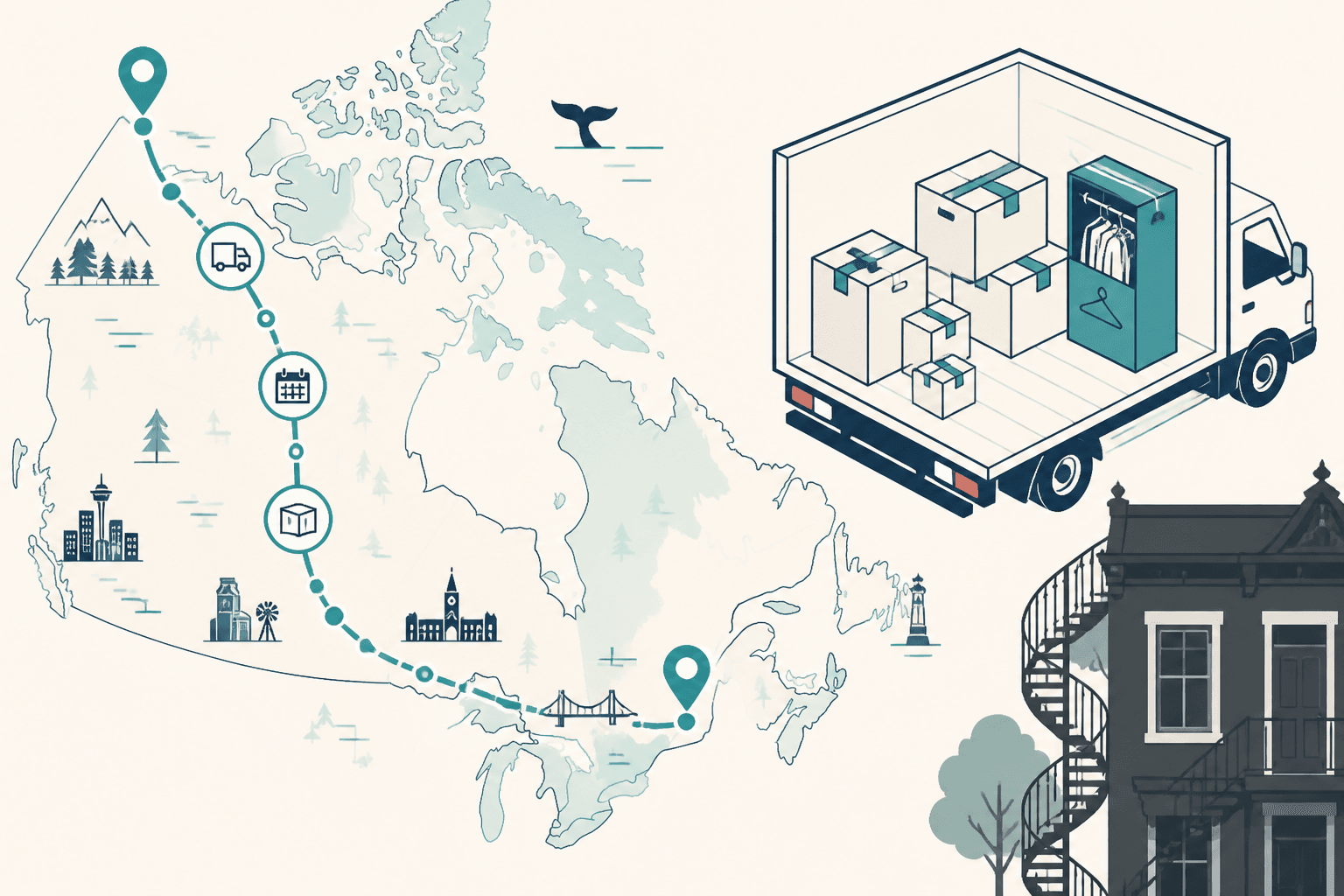
How pods moving and storage works (and why it suits Canadian homes)
Pods let you pack at your pace, store securely, and schedule delivery when you’re ready—ideal for Canada’s weather and varying move timelines.
Pods moving and storage are designed for flexibility: a mobile storage pod is dropped at (or near) your home, you pack your belongings on your schedule, and then the pod is either moved directly to your new address or kept in storage until you’re ready. In Canada, this approach is especially useful because moves often don’t happen in one clean day—rent start dates, condo move-in windows, and winter or spring weather can all push timelines around. With pods, you’re not locked into a single loading appointment where every item must be ready at once. Instead, you control the pace of packing and can stagger priorities (rooms, bulky items, household goods) while the pod sits safely in a dedicated storage container. It’s a practical option for apartment dwellers, homeowners, and cross-province movers who want predictable handling and fewer “move-day panic” moments.
Pricing: what to expect for pods, storage time, and delivery windows in Canada
Pods moving and storage costs vary by distance, pod size, and storage duration; plan for container days and delivery legs when comparing quotes.
When Canadians search pods moving and storage, the first question is usually price—followed quickly by “what exactly am I paying for?” While Boxly helps you compare options across the moving marketplace, the underlying cost drivers are broadly consistent across Canada. Expect charges to be influenced by (1) how many legs your move requires (local vs. intercity delivery), (2) the pod size you need, (3) accessibility factors (driveway clearance, stairs, permits), and (4) storage duration. Storage time is typically billed by the period you keep the pod in the facility; many moving providers use a weekly or monthly structure, so your schedule matters. For a realistic budget, compare like-for-like quotes: ask whether the price includes delivery placement, pickup, and storage handling for the initial window you expect. Also confirm any extra fees for weather-related delays, second attempts, or special equipment. With clear assumptions, you can choose pods moving and storage that fit your timeline without surprise charges.
Storage safety: what to look for in secure pods and warehouse facilities
Good pods moving and storage providers focus on controlled access, weather protection, and careful handling—ask about storage location and protection practices.
Storage is the difference-maker in pods moving and storage, especially when your home isn’t ready yet or you’re downsizing while renovations are happening. The highest-value providers make it easy to understand where your pod sits and how it’s protected. In practice, you should look for a facility with controlled access (e.g., monitored entry), a clean storage area designed for containers, and a process to prevent unnecessary exposure to elements. Because pods are enclosed containers, they generally provide better protection than leaving belongings in an open trailer—yet “enclosed” isn’t the whole story. Ask how providers secure pods, whether they are kept on stable surfaces to reduce shifting, and how they handle re-delivery scheduling. In Canada, moisture and temperature swings can affect items like paper products, cardboard boxes, and certain fabrics, so it’s also smart to pack with protection in mind (plastic wrap, desiccant for small areas, and keeping perishables out). The safest approach pairs secure storage infrastructure with careful packing habits.
Packing for pods moving and storage: Canadian tips that prevent damage
Pack by weight, label clearly, and protect against moisture and shifting—your pod is moving, stacking, and temperature-variable during storage.
Packing well is one of the fastest ways to get better results from pods moving and storage. Start by thinking like a mover: heavier items go low, lighter items go higher, and anything that can spill or crush needs containment. Use sturdy boxes rated for moving (avoid old, water-damaged cartons) and don’t overfill—boxes that bulge are more likely to tear. Protect against moisture, particularly in coastal regions where spring can bring damp conditions. Seal toiletries and liquids, double-wrap fragile items, and keep electronics in original packaging when possible. For shifting, fill gaps with proper padding rather than leaving “air space” that allows boxes to slide. Label boxes by room and include a short content description on two sides so movers can scan quickly from different angles. If you’re splitting your inventory across storage and later delivery, create a simple packing list (even a spreadsheet or photos of each box). When you pack intentionally, pods moving and storage becomes calmer, faster to unpack, and far less likely to result in surprises like crushed picture frames or damaged small appliances.
Choosing the right pod size and timing for cross-country Canadian moves
Estimate volume realistically, plan your storage window, and coordinate delivery dates with building access rules across provinces.
Pods moving and storage work best when sizing and timing align with how Canadians actually live and move. If you’re cross-country, you may need flexibility for customs processes for moving personal belongings (if applicable), transit times, and differing building access rules. Even within Canada, condos may require move permits, loading elevator bookings, or specific time windows—rules that vary by city and building management. To choose the right pod, inventory your space category-by-category: bedroom items, kitchen essentials, books, seasonal clothing, and any “one-off” bulky pieces like mattresses, dressers, or outdoor gear. Many providers guide you with pod size ranges (in general terms), but a realistic estimate matters more than a guess. Timing matters too. If you expect renovations, consider planning storage for a window that includes inspection and “buffer days” for delays. Your goal is to avoid either rushing packing or storing longer than necessary. Pods moving and storage can be a strong fit for cross-country moves because it lets you set a delivery plan that matches your life rather than compressing everything into a single move-day.
Pods vs. traditional moving crews: when you should choose each option in Canada
Pods are often ideal for flexible, DIY-friendly moves; full-service movers may be better when time, labour, or delicate handling is the priority.
Comparing pods moving and storage with traditional moving crews helps you choose based on your constraints. Pods are a strong option when you want to pack yourself, control timing, and avoid the all-at-once pressure of a scheduled crew arrival. They can also work well when your move is complex—such as selling one home while renting another, or waiting for a condo to approve a move permit. You can pack at your pace, then schedule pickup and storage to bridge the gap. Traditional movers, by contrast, may be a better fit when you need labour support for packing, heavy lifting, or when you’d rather not manage container placement and DIY preparation. In Canada, labour and scheduling can also be a factor: during peak moving periods (often late spring to early fall), mover availability may be tighter, while pod availability can still provide flexibility. If you have limited help, lots of fragile items, or strict timelines, a hybrid approach can make sense—use pods moving and storage for the container and consider additional help for packing or loading. The best choice is the one that reduces risk and stress while meeting your actual deadlines.
Scheduling and logistics: permits, access, and weather realities across Canadian provinces
Plan for placement access, building rules, and weather—especially spring conditions—so your pod can be delivered and picked up smoothly.
Successful pods moving and storage in Canada depends on logistics that are easy to underestimate. First, confirm placement access: a driveway needs enough clearance for container delivery, and street placement may require a permit depending on municipality rules. If you live in an apartment or condo, building management often requires advance notice, move permit approval, or elevator booking—this can affect when your pod can be delivered without blocking access. Next, consider the weather realities that shape Canadian moves. Spring can bring rain and thaw cycles that influence driveway conditions, curbside availability, and loading safety. While major providers plan around weather and safety, it helps to build buffer time into your plan so a short delay doesn’t disrupt your whole schedule. Ask whether rescheduling due to weather affects cost and how far in advance you should confirm delivery and pickup. Finally, communicate item readiness: if your pod is placed but not packed as expected, you may need additional time. When you plan placement, permits, and weather contingencies early, pods moving and storage becomes a smooth bridge between “old home” and “new keys.”
Frequently Asked Questions
Is pods moving and storage cheaper than hiring a full-service moving company in Canada?
It can be, but it depends on your labour needs and your storage timeline. Pods moving and storage often appeals to Canadians because you can pack yourself, which can reduce the amount of paid labour required. In many cases, you’re paying for container delivery and pickup plus the storage duration you select, rather than paying for an entire crew to load and unload everything. However, if you don’t have help to pack, or if you need extra assistance for heavy items, costs can rise when you add packing services or labour for loading. Full-service moving companies may look more expensive at first glance, but they handle packing, loading, transport, and unloading—sometimes with clearer “end-to-end” certainty. The best way to compare is to request quotes that include the same assumptions: pod size, estimated storage weeks, delivery legs (local vs. intercity), and any access constraints like stairs or elevators. With comparable quotes, you can choose pods moving and storage when flexibility and DIY packing are your advantage.
How long can I keep a pod in storage in Canada?
Most providers let you keep pods moving and storage for flexible timeframes, commonly structured by weekly or monthly billing periods. The exact maximum storage duration and the start/stop rules vary by company and facility policy, so it’s important to confirm this in your quote. In general, the “right” duration is the time between when your packing is complete and when your new home (or renovation project) is ready for delivery and unloading. If you’re waiting on building permits, condo board approvals, or a renovation timeline that’s subject to weather, it’s wise to include buffer days in your plan. Also ask what happens if you need to extend storage: are extensions priced at the same rate, and how much notice is required? Finally, think about the practical side of longer storage—what you pack matters. Use moisture protection for cardboard and fabric, keep valuables and important documents easily accessible, and avoid storing items that could degrade or attract pests. With the correct storage window confirmed upfront, pods moving and storage can match real Canadian move timelines.
What cities or regions does pods moving and storage cover across Canada?
Pods moving and storage coverage depends on the marketplace and the provider network, but the service model is designed to work locally and intercity across Canada. Many moving customers use pods for within-province moves and for cross-province relocations when they need a buffer between homes. Because regulations and access requirements vary, the details can change by region—especially for street placement and condo loading rules. For example, some municipalities have specific requirements for where and when containers can be placed, and apartment buildings often require advance scheduling for elevator usage. Boxly helps Canadians compare options across the moving marketplace so you can find a provider that supports your origin and destination—whether you’re moving from a Halifax neighbourhood to another province, or from a prairie city to the East Coast. When you ask for quotes, provide your addresses (or at least postal code areas), preferred delivery window, and any access notes (parking, stairs, loading dock). That information helps providers confirm feasibility and timelines before your pod is scheduled.
Do I need permits to place a pod on the street or driveway in Canada?
Often, yes—or at least it depends on where you plan to place the pod. If you’re placing a pod on a private driveway or in a secured property area, you may not need a municipal permit, but it’s still important to confirm with the property owner and any strata/condo rules. If you plan to place the pod on a public street, curbside area, or in any spot that affects municipal traffic flow, permits are commonly required in many areas of Canada. Requirements can vary widely by city and even by neighbourhood. Additionally, condo and apartment buildings may have internal policies that function like “permits,” including move permits, insurance documentation, and time windows for deliveries. The practical advice is to ask your provider up front: where can the pod be placed, how much lead time they need for approvals, and whether they assist with the process or provide guidance for your specific municipality. Planning for permits early prevents last-minute rescheduling and keeps your pods moving and storage timeline on track.
Can I load my own belongings into a pod, and what items are usually restricted?
In most cases, yes—pods moving and storage are designed for customers to pack their own belongings, which is part of why this option is popular in Canada. You typically load items yourself into the pod after it’s delivered to your location. However, there are usually restrictions on hazardous materials and items that could be unsafe to transport or store. Exact rules vary by provider, but common restrictions in moving and storage contexts can include flammable liquids, pressurised containers, strong chemicals, and other hazardous goods. You should also consider practical limitations: items that are too heavy may require assistance to load safely, and some providers have guidelines about how furniture and appliances must be prepared. For example, appliances might need doors secured and fluids handled properly. Valuables like cash and documents are often best kept with you rather than placed in storage. The safest approach is to review the provider’s list of prohibited or restricted items before packing, and to ask about any “grey area” items you’re unsure about. That way, your pods moving and storage experience stays compliant and stress-free.
What should I do if my pod delivery or storage pickup gets delayed due to weather?
Weather delays can happen in Canada, especially during seasonal transitions like spring when rain and thaw affect road and driveway conditions. If your pods moving and storage schedule changes, the first step is to confirm the provider’s policy: do they automatically reschedule within a certain window, and is there an additional fee for rescheduling? Next, protect your belongings while you wait. If the pod is already delivered, keep your access plan simple and avoid leaving items unpacked in a way that blocks loading paths. If you haven’t finished packing, focus on completing the highest-priority items first so you can minimise time pressure. It also helps to maintain communication with the provider and building management. If you’re in a condo or apartment, move permits and elevator bookings may be time-specific—so ask whether they can be adjusted or rebooked. Finally, build a buffer into your timeline next time: when you’re planning storage, choose a window slightly longer than the minimum so you’re less exposed to weather disruptions. With proactive planning and clear rescheduling rules, pods moving and storage remains manageable even when spring weather changes quickly.