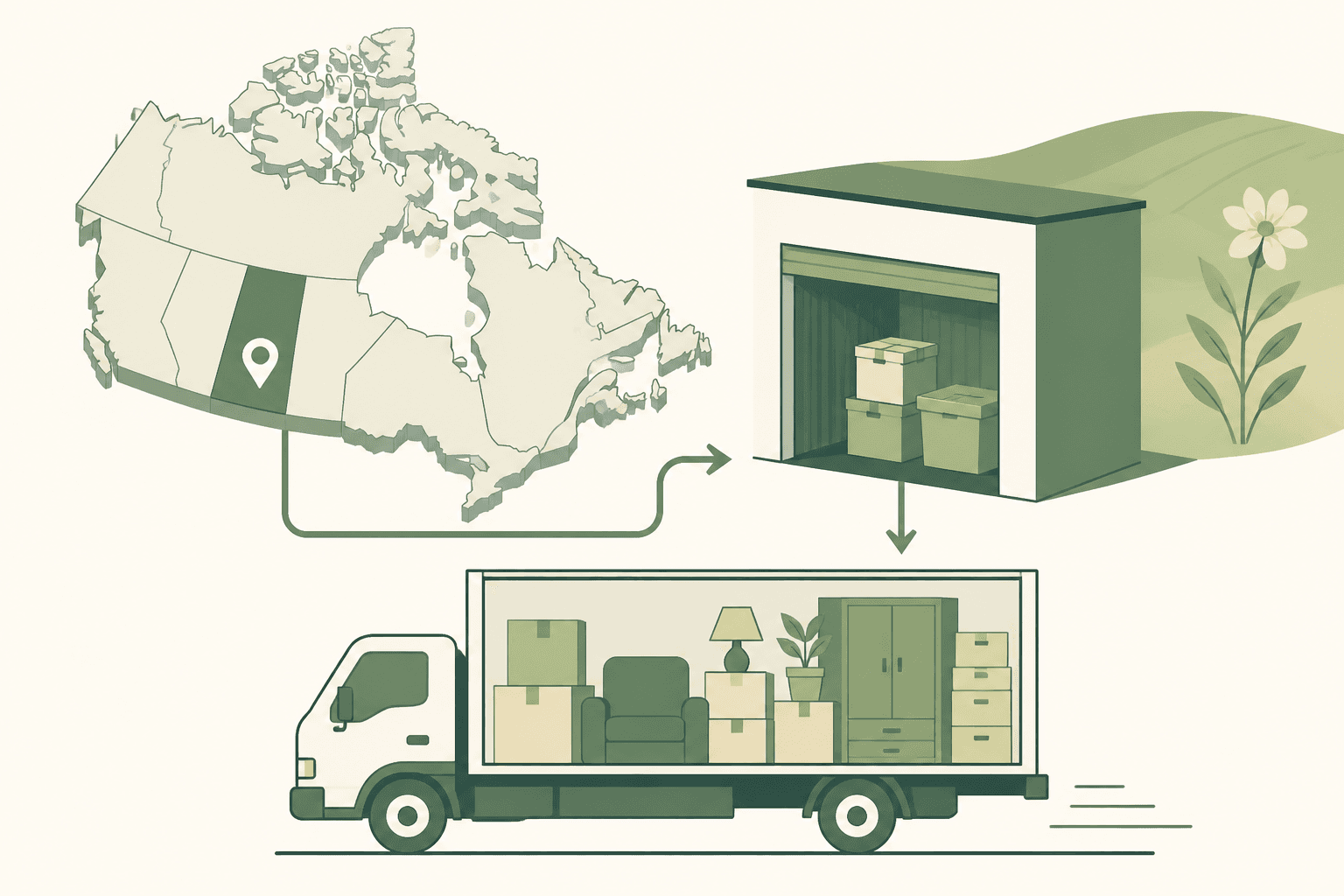
What does mobile moving and storage include, end to end?
A Canada-wide view of what’s typically included: packing help, mobile transport, secure storage, and delivery coordination.
Mobile moving and storage is designed to be a single, coordinated service—moving your belongings without requiring you to juggle multiple companies or separate storage contracts. In most Canada-based setups, the end-to-end flow starts with a quick assessment (often via video or on-site survey) to understand your inventory, access conditions (stairs, elevators, narrow drives), and timing window. From there, the service typically includes loading at your pickup address, secure transport to a storage facility when needed, and then delivery to your final location on a later date. If your move is same-day, the “storage” part may function as short-term holding. If you’re downsizing or closing a home, storage bridges the gap between lease start dates and move-out dates.
What matters most for planning is how the provider handles documentation and accountability: inventory checklists, item counts, and a clearly defined delivery appointment. Many reputable Canadian movers also offer optional packing materials, protective wrapping, and appliance handling, and they coordinate with you around dwell time, elevator bookings, and parking permits.
When is mobile moving and storage the smartest choice in Canada?
Best for overlapping dates, renovations, estate cleanouts, cross-province relocations, and staged moves where timing is the risk.
Mobile moving and storage becomes especially valuable when timing is the true challenge—not the distance. In Canada, lease and purchase dates rarely line up neatly. A tenant might need to be out by the end of a month, while their new place opens days later; similarly, homeowners may close on different timelines or face renovation delays. Mobile moving and storage lets you load your items on schedule and store them safely until your next address is ready, reducing the risk of leaving belongings in unsafe conditions.
It’s also a strong choice for staged moves. For example, some families move furniture and essentials first, then later transition seasonal items after schools start or after they find the right contractor. Cross-Canada relocations can also benefit: if you’re arriving before your shipment is ready or waiting for a new home’s possession date, storage helps you avoid scrambling for temporary space. In addition, smaller moves—like moving a basement suite, an office, or a partial household—can be more practical with storage than renting a full-size unit yourself while coordinating transport.
Across provinces, the theme is the same: you’re buying predictability. Instead of managing multiple handoffs, you’re aligning pickup, secure storage, and delivery into one plan with fewer moving pieces.
How do pricing and storage fees typically work for mobile moves?
Canada-wide drivers include volume, distance, labour, access complexity, and storage duration—most pricing is case-specific.
Pricing for mobile moving and storage usually depends on several interconnected factors, so the most accurate quotes are based on inventory and logistics rather than a single flat rate. Common cost drivers include the volume of items (often estimated by the number of rooms, boxes, or total cubic space), the number of movers and hours required, and whether additional services apply—like packing, disassembly/reassembly, or moving bulky items (sofas, mattresses, exercise equipment). Distance and route complexity matter too, because transport time affects labour and scheduling.
Storage fees typically follow the duration and sometimes the unit size. Many Canadian storage providers offer monthly rates, but whether you pay as a minimum term or month-to-month can vary by contract. Also, secure storage may include climate control in some facilities, and that can affect price—especially relevant for items like wood furniture, instruments, or documents. For mobile moving and storage packages, the cost may be bundled (pickup + transport + storage + delivery) or broken into components.
To avoid surprises, ask for clarity on what’s included: insurance coverage terms, handling of long-carry distances, elevator/parking permit responsibilities, and whether storage is charged from the pickup date or the date items are first placed inside. When you compare providers in Canada, request a written estimate that separates moving labour from storage duration, so you can see exactly what changes if your timeline shifts.
What should you prepare before the truck arrives?
Use an inventory list, label categories, protect critical items, and plan access so loading is quick and damage risk is lower.
Preparation is where mobile moving and storage succeeds or struggles, because the goal is efficient loading with minimal handling time. Start with an inventory approach—even a simple room-by-room list helps you verify items before and after storage. Labeling boxes by destination category (e.g., “Kitchen—Essentials,” “Bedroom—Wardrobe,” “Documents”) makes it easier to locate what you need immediately, especially if your stored items aren’t delivered right away. Keep “open first” essentials in a separate bag or box that you control, such as medications, chargers, toiletries, and basic kitchen supplies.
Plan for access. In many Canadian homes and apartments, stairs, long hallways, tight turns, or elevator reservations can change labour time. If you have a driveway or loading area, clear pathways in advance and consider any seasonal realities—snow and ice in winter, for example, can slow loading, while in spring you may deal with muddy entryways. If you’re storing items, consider creating a “do not stack” note for fragile goods, electronics, or items with directional packaging.
A smart step is to set aside and photograph or document high-value items before packing. That supports claims if damage occurs and makes it easier to communicate expectations. If your provider offers packing supplies, confirm what’s included—bubble wrap, mattress covers, wardrobe boxes, and tape. The more you standardize your packaging, the smoother the transition from pickup to storage to final delivery becomes.
How secure is storage for mobile moves, and what about insurance?
Security is a system: controlled access, inventory processes, and clear insurance terms—ask what coverage applies in your case.
Secure storage for mobile moving and storage is about both physical safeguards and administrative control. At a minimum, reputable Canadian storage operations aim for controlled access—often with gated entries, monitored hours, and procedures that restrict who can retrieve items. While the exact setup differs across provinces and facilities, the service quality often shows up in how they handle inventory records. A professional move typically includes a checklist or item-level verification approach, so you can confirm what was loaded and later what was delivered.
Insurance is equally important, because storage doesn’t automatically mean “everything is covered.” Ask whether the moving company carries liability coverage for in-transit and handling, and whether additional cargo coverage is available for high-value items. You’ll also want to know how claims are handled and what documentation is required. Some providers may have terms tied to standard liability limits, while others offer optional add-ons. If you have items like artwork, collectibles, or specialized electronics, ask specifically how those categories are treated.
For climate-sensitive goods, consider storage conditions. Climate-controlled options can be relevant for instruments, wood furniture, and certain fabrics, especially across Canada where humidity varies widely by season. The best question to ask is: “What protection do you provide, and how will I verify it?” When security and insurance are clearly explained upfront, you can store with confidence rather than guessing.
Finally, coordinate your delivery timing so retrieval is not rushed. The safest storage workflow is one where your items move in and out according to scheduled appointments, preserving documentation and minimizing risk.
How do seasonal factors in Canada affect mobile moving schedules?
Weather and daylight shift demand; plan for delays, parking constraints, and protective preparation year-round.
Canada’s seasons strongly influence mobile moving and storage logistics, even when the route distance is predictable. Spring, summer, autumn, and winter each bring different constraints: winter often means ice and snow affecting loading safety and driveway access; spring can bring thaw, wet entryways, and muddy transitions; summer typically has higher demand and longer appointment lead times; and fall can involve rain plus early darkness affecting tight delivery windows.
When you store items, seasonal factors also affect storage planning. Humidity changes can matter for some belongings, while extreme temperatures can impact materials if you’re using non-climate-controlled storage. If your move spans seasonal boundaries—like storing summer items into winter—confirm what storage conditions are available. For mobile moving and storage, the key is to build a flexible schedule that can absorb delays. Ask your provider how they handle weather disruptions: do they rebook within a set window, and what costs apply if rescheduling is required due to conditions?
Cross-Canada demand patterns also matter. During peak months, movers and storage facilities can book quickly, so locking in your plan earlier can reduce risk. If your timeline is tied to a lease or closing date, consider moving and storing “a few days earlier” when possible. Even a short buffer can make delivery smoother and help prevent the last-minute scramble that leads to more handling and rushed packing.
A strong seasonal plan includes clear access preparation, protective coverings for floors and furniture if offered, and confirming parking/permit requirements for both pickup and delivery. That’s how you keep the experience predictable across Canada’s year-round variability.
Frequently Asked Questions
What does mobile moving and storage cost in Saskatoon, on average?
In Saskatoon and across Canada, costs vary by volume, labour hours, access complexity, distance to the storage facility, and how long you need storage. Because there isn’t one universal fixed “mobile storage” price, reputable providers typically quote after assessing your inventory and timing window. As a practical planning approach, ask for an itemized estimate that separates moving labour (and any packing supplies) from storage duration charges. Many storage options are priced monthly and can differ based on whether storage is climate-controlled or standard, plus whether there’s a minimum term. To stay confident in your budget, confirm what’s included in the quote: loading time allowances, stairs/lift requirements, and whether the storage fee starts on the day of pickup or the day items arrive at the facility.
If you need delivery later, ask how the second leg is priced—some services treat pickup and delivery as separate labour blocks. Also check insurance terms and any optional add-ons for fragile items. For Saskatoon specifically, spring conditions can affect access (wet entryways, thawing grounds), so clarify whether any delays change the quote. The best benchmark isn’t a single number—it’s an itemized quote you can compare across providers.
How long can I store my items with mobile moving and storage?
The storage duration you can use with mobile moving and storage is typically flexible, but it depends on the storage provider’s contract structure and the moving company’s package design. In Canada, many storage facilities operate with monthly pricing, so short-term and longer-term storage may both be available; however, some contracts include minimum terms or specific billing cycles. To get the most accurate answer, ask whether your storage can be extended without rebooking fees and how changes to your delivery date are handled.
A good way to plan is to map the real “gap” you need storage for, rather than guessing. For example, if you have to move out by the 30th but your new place is ready around the 10th, you’re looking at roughly 1–2 weeks. If you’re waiting for home renovations or building material deliveries, that gap could stretch to a month or more. For cross-Canada moves, storage sometimes acts as a buffer while you wait for possession dates or until you can safely receive shipments.
Also ask about retrieval scheduling. If you need items for a staged move, confirm whether you can access stored items for partial deliveries or whether the service delivers everything in one scheduled drop-off. When storage length and delivery flexibility are clearly confirmed upfront, you’ll avoid unexpected costs tied to changing timelines.
Can I store furniture and fragile items, like mattresses and electronics?
Yes—most mobile moving and storage services are set up to handle common household items including furniture, mattresses, and electronics, but the key is how items are prepared and protected before they go into storage. For mattresses, professional movers typically use mattress covers to help reduce exposure to dust and moisture; for furniture, they may wrap surfaces and protect corners. Electronics usually require careful packing—disconnecting cables, padding loose parts, and using appropriate boxes or materials to prevent shifting.
What you should confirm is whether your provider includes specialized packing materials for fragile items or whether you need to supply them. Ask how they prevent items from moving during transport and during storage. In a well-managed system, items are placed with attention to weight distribution and access rules, and your inventory list helps ensure nothing is misplaced. For high-value items, request specific coverage details and whether additional insurance can be purchased.
If you’re storing through seasonal changes, consider storage conditions. Some facilities offer climate-controlled storage, which can be relevant for items sensitive to humidity. While not every facility provides it, it can matter for wood furniture, certain fabrics, and items prone to condensation. To be safe, describe your items clearly (e.g., “mattress kept new,” “desk has glass top,” “TV in original packaging”) so the quote and packing plan match your needs.
Do I need to book storage and the moving dates separately?
With mobile moving and storage, you typically don’t need to book everything as separate stand-alone contracts—one coordinated plan is the point. In practice, the moving date and storage start date may be linked, and delivery to your final home is scheduled as a later step. However, the exact workflow can vary by provider depending on whether they offer true bundled service (pickup + storage + delivery in one package) or a moving service that partners with a storage facility.
To avoid confusion, ask how your schedule is structured: What date is used for storage billing? When does insurance coverage transition from “in-transit” to “in-storage”? If your delivery date changes, what rebooking notice is required? In Canada, lead times can be affected by seasonal demand, so confirming flexibility and rescheduling policies helps you control costs.
Another practical consideration is documentation. When things are booked together, your pickup checklist and storage inventory process should align, making it easier to confirm everything at delivery. If you’re mixing services, you may need separate confirmation numbers or delivery instructions for the storage facility.
If you want the simplest experience, request one written plan that covers pickup, storage duration, and the delivery appointment. That’s the best way to keep your timeline aligned and reduce the risk of last-minute gaps.
What are common reasons a mobile move costs more than expected?
Unexpected cost increases in mobile moving and storage usually come from changes in scope or logistics that weren’t fully captured in the initial quote. The most common reasons include underestimated volume (for example, “it’s just a one-bedroom” but the inventory includes large furniture and many additional boxes), longer carry distances than expected (parking too far from the door, elevators being unavailable, or stairs being more complex), and appliance or specialty item handling that requires extra time. Another frequent factor is packing needs. If you assumed you’d pack yourself but the schedule shifts and you request packing labour later, costs can change.
Weather and seasonal access constraints can also affect loading time. In Canadian spring, thaw can create uneven or muddy entryways, while winter can add delays due to ice and snow. If you anticipate difficult access, tell your provider ahead of time so they can allocate the right time block and equipment.
Storage duration and storage conditions can also alter the total. If your delivery date moves out unexpectedly, monthly charges add up; similarly, climate-controlled storage is often more expensive than standard units. Finally, confirm whether quotes include insurance details and any minimum charge thresholds.
The best strategy is to request an itemized estimate, document access conditions (stair counts, elevator availability), and plan a buffer for your timeline. Mobile moving and storage works best when both sides have the same assumptions about volume, prep, and delivery scheduling.
How do I choose a reliable mobile moving and storage provider across Canada?
Choosing a reliable mobile moving and storage provider in Canada comes down to clarity, accountability, and realistic planning. Start by comparing quotes that are itemized—not just totals—so you can see moving labour, transport, storage duration, and any optional services like packing supplies. A trustworthy provider explains what’s included and what changes your price, especially around stairs, elevators, and long-carry situations. Ask about their process for inventory verification and how they handle claims if something is damaged.
Look for transparency on insurance terms. You want to know whether coverage applies for in-transit handling, what the limits are, and whether additional coverage is available for high-value items. For the storage portion, ask about access controls, how long items are held before delivery, and whether the facility is climate-controlled if you have sensitive belongings.
Also evaluate scheduling responsiveness. In cross-Canada moves, timeline risk is real—lease overlaps, closing delays, and seasonal weather can shift plans. The provider should offer a clear rescheduling policy and tell you how far in advance you should confirm delivery dates. Finally, check whether they have an established process for pickup and delivery appointments, including elevator reservations or parking permit responsibilities.
If you’re moving in Saskatoon or any other province, the same criteria apply: document your needs, request a clear written plan, and choose the provider that reduces guesswork instead of adding it.