Why Sep 1 in Burnaby is a perfect storm for elevator access delays
On burnaby September 1 2026 moving day, many leases in Greater Vancouver align with a common “September 1” turnover, so towers and older walk-ups in neighbourhoods like Metrotown, Brentwood, Edmonds, and the Heights of Burnaby see an unusually high volume of move-ins. That matters for elevator/loading access because buildings can only allocate so many time windows per day, and staff must manage traffic, strata rules, and freight-room capacity. Even when a reservation is “possible,” it can be limited to smaller trucks, specific elevators, or staggered start times—especially in high-density areas near SkyTrain stations and busy arterial roads.
Canadian moving logistics also stack up: if your elevator booking is late, your truck may arrive after the building’s loading window closes, triggering day-of escalation fees, minimum staffing requirements, or a forced re-scheduling to the next available slot. The goal is simple: lock in elevator reservation and loading access early enough to protect your schedule and your budget.
What to reserve first: the elevator, the loading zone, and the move-in time window
When you plan burnaby september 1 2026 moving day elevator reservation, reserve in the order that buildings actually control access: (1) elevator time, (2) loading access (dock, freight elevator, or designated curb/loading zone), and (3) the allowed move-in time window. Many Burnaby buildings treat these as separate permissions—even if the same staff member helps you coordinate both. For example, a strata might allow the elevator reservation but require a separate approval for curb occupancy, vehicle staging, or the use of specific loading bays.
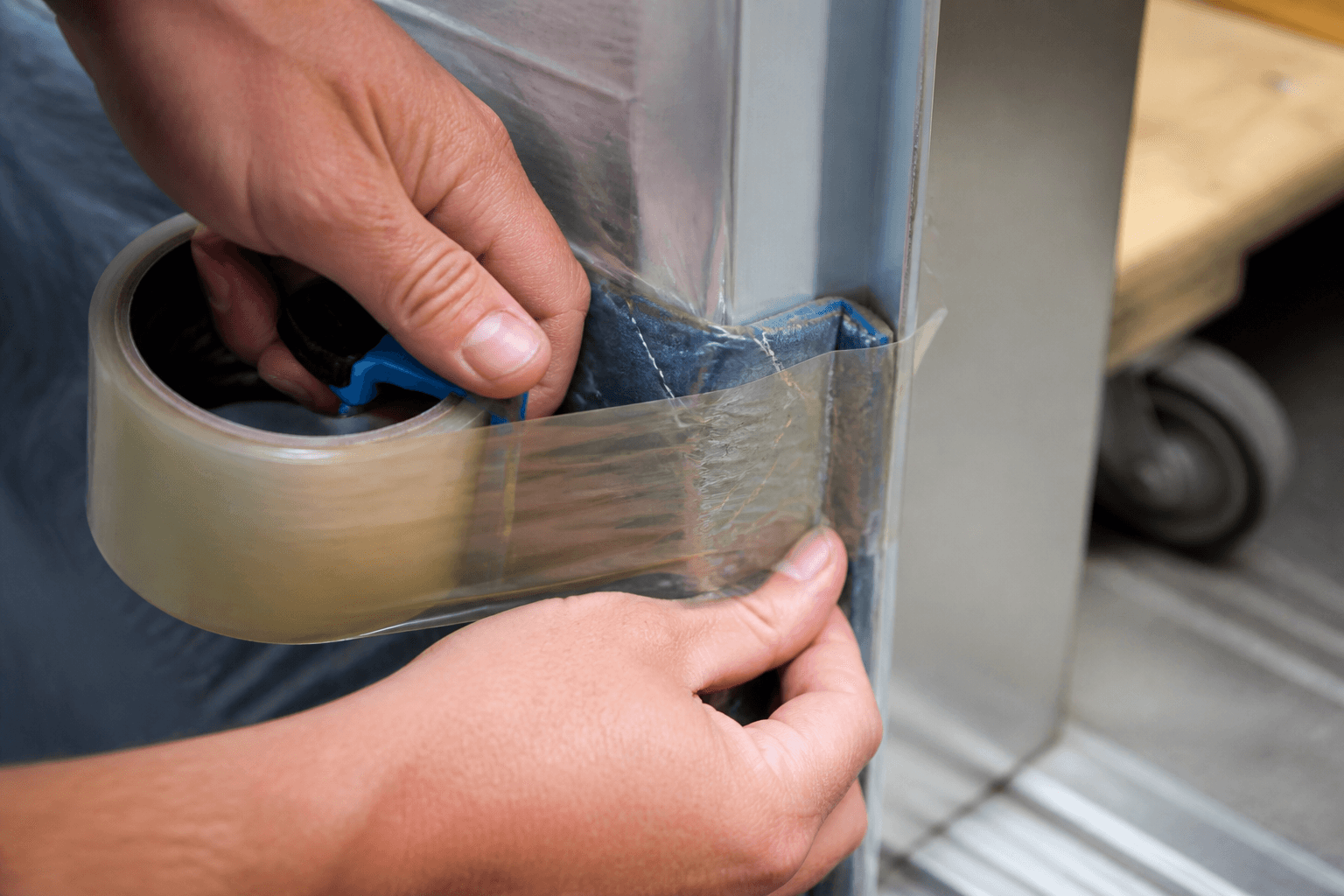
To avoid confusion, contact the building management (or strata/concierge, if applicable) and ask for their “move-in/move-out procedure” document. Request the exact date/time window in writing and confirm whether you need elevator pads, floor protection, or protective wrap for hallways and freight doors. If your move crosses multiple floors or requires multiple elevators, ask which elevator(s) are permitted and whether you can book adjacent slots. If your moving company is providing equipment like ramps or dollies, confirm what’s allowed on-site so you’re not forced to improvise on arrival.
Booking the full stack—elevator + loading + time—reduces the risk of “partial approval,” which is one of the most common causes of day-of fees.
How to book the right elevator window: timing, truck size, and crew size
For burnaby September 1 2026 moving day elevator reservation, the best window is the one that fits your logistics, not just the calendar. Start by estimating your move volume and time: number of boxes, large items (sofas, dining tables), and any stairs or long hallway carries. Then align that estimate to the building’s loading rules, such as the number of hours permitted per booking or whether the elevator must be cleared by a hard cutoff. In Burnaby neighbourhoods with older street patterns near Metrotown and the Burnaby Heights, long curb runs and pickup-dropoff constraints can slow down loading, so add buffer time.
Next, confirm your truck size and whether the building limits vehicle length or requires specific staging. Many buildings are sensitive to blocked lanes or narrow access near transit corridors. If your truck is longer than the allowed vehicle class, the building may require a smaller truck, a different loading entrance, or staggered trips—each of which can change how long the elevator reservation is needed.
Finally, ask about crew size or moving-helper limits. Some buildings restrict how many people can be in common areas during move windows, which affects how quickly you can lift and route items. A moving team that’s too small can stretch your job beyond the booked time, while a team that’s too large can trigger on-site non-compliance. The win: confirm constraints before you book so your elevator access covers the whole workflow.
What documents and details building managers actually ask for
To secure burnaby September 1 2026 moving day elevator reservation smoothly, come prepared with the information that building managers commonly request for move-in authorization. Typically, you’ll be asked for the move-in date and exact start/end time, the suite/unit number, and the elevator or freight elevator you plan to use. Many Burnaby buildings also request your moving company’s details and may require proof of insurance before permitting elevator use.
Vehicle information is another frequent requirement: truck type, approximate length, and sometimes the licence plate timing (or an arrival window). If you’re using a ramp, dolly, or specific moving blankets, ask whether the building requires floor protection or elevator pads and what materials are mandatory. Some buildings supply their own protection but require you to book it in advance; others expect the mover to provide it.
Also, share your item routing plan. For example, confirm whether items must enter through the loading bay, front lobby, or a side entrance, and whether there’s a “no-go” hallway. If you’re moving appliances or other items that need special handling, let management know—these can change what’s allowed during your elevator window.
Having these details ready reduces back-and-forth emails and prevents late-day approvals that often lead to day-of fees.
Avoiding day-of fees: escalation charges, overtime, and last-minute reassignments
Day-of fees on burnaby September 1 2026 moving day usually stem from three scenarios: overtime beyond the booked elevator window, arrival outside the approved loading time, and last-minute changes (such as an elevator reassignment). Buildings in Burnaby can be strict because they’re coordinating with other move-ins and ensuring elevators aren’t overbooked or blocked in the middle of service.
To avoid escalation charges, protect your schedule with two tactics. First, build a realistic arrival buffer that accounts for traffic patterns around SkyTrain corridors and common congestion periods. Second, confirm the exact “ready by” and “must be cleared by” times. If the building expects the elevator to be vacated immediately after the end time, treat that end time as a deadline, not a target.
Next, prevent last-minute reassignments. If an elevator booking is changed due to availability, it can cause extra hallway carries or multiple trips, which may push you into overtime. Ask how changes are handled: whether you’re charged for rescheduling, whether fees apply for using a different elevator, or whether additional staff is required for second elevator bookings.
Finally, align crew capacity to time. Many people book too-tight windows and then get slowed by stairs, furniture assembly, or insufficient packing. A slightly longer reservation can be cheaper than a day-of fee or a forced interruption. The objective is to make your elevator reservation workable from the first item to the final box.
A practical checklist you can use to reserve access in Burnaby
Use this checklist to turn burnaby september 1 2026 moving day elevator reservation into a controlled process. Begin by contacting your building management early and asking for the official move-in/move-out procedure. Then record the following details in one place: your approved move-in date, the exact elevator time slot (start and end), which elevator(s) you can use, and the allowed loading method (dock, curb, or freight entrance). If your building uses a specific “loading zone” with rules, capture those rules verbatim.
Next, confirm what protection is required. Ask whether the building mandates floor protection, elevator pads, or specific pathways. Ensure your moving plan respects those routes. Then gather your moving logistics: truck size/vehicle class, estimated arrival time, and whether you’ll be bringing furniture on the same day as boxes or doing a phased move.
Request written confirmation, including any conditions that could trigger additional charges. Ask about cancellations/rescheduling policies and whether fees change if you arrive late or if your elevator slot is not used fully.
Before move day, verify your appointment again (a call or message) and ensure everyone—your moving crew and any helpers—knows the approved timing. A checklist prevents the most common issue: arriving with a good intention but missing a detail that unlocks day-of surcharges.
How Boxly can help coordinate moving-day access in Burnaby
Coordinating burnaby September 1 2026 moving day elevator reservation is easier when your moving plan is organized before the calendar fills up. Boxly helps you match with moving options in Canada’s major cities and gives you a structured way to plan the moving-day details that buildings care about—time windows, on-site requirements, and how your move will flow through shared spaces. For Burnaby residents in areas like Brentwood, Metrotown, and near Edmonds, the right plan can mean fewer surprises around traffic staging, elevator availability, and building protection rules.
A strong move begins with accurate information. When you engage with Boxly, you can share your building requirements and move constraints so movers are set up for your schedule instead of improvising on arrival. That reduces the likelihood of elevator swaps, overtime, or additional charges caused by last-minute adjustments.
While building rules vary by property, the fundamentals are consistent: confirm elevator and loading access, align truck/crew size to the window, and get written confirmation. Boxly is built for the reality that moving is stressful—so you can focus on your move while the coordination pieces are handled with clarity.
If you’re planning for a peak date like September 1, early planning is your best cost-control strategy.
Frequently Asked Questions
How early should I book burnaby september 1 2026 moving day elevator reservation?
For burnaby September 1 2026 moving day elevator reservation, the safest approach is to start the conversation as early as your building allows and aim to lock the window well before late summer. September 1 is a peak turnover date across Greater Vancouver rentals, so elevator slots and loading access can fill quickly—especially in high-demand neighbourhoods like Metrotown, Brentwood, and near SkyTrain corridors. Many buildings also require time to review moving company details, insurance, and protection requirements, which can slow approval if you wait.
If you’re able to choose between multiple time windows, pick one with slack built in (for example, an earlier start with enough time to complete the largest-item lifts without rushing). If you’re coordinating with a moving company, align their arrival time with the building’s loading window, not just your ideal personal timeline.
Because each building sets its own rules, request the move-in procedure early and ask whether there’s a booking cutoff date. The earlier you confirm your elevator and loading access together, the less likely you’ll face day-of fees triggered by rescheduling.
Do I need elevator reservation even if my building has a freight elevator?
In most cases in Burnaby, yes—you still need burnaby September 1 2026 moving day elevator reservation, even if the building has a freight elevator. Freight elevators may be available for moving purposes, but access is usually restricted to scheduled windows so the elevator isn’t blocked for other residents or deliveries. A “freight elevator exists” doesn’t automatically mean it’s free for unscheduled use.
Buildings often require you to reserve a specific elevator time slot and may specify whether you can use a freight elevator, a passenger elevator, or both. They may also require floor protection or elevator pads regardless of elevator type. If a building has multiple elevators, management can also limit which elevators are used for moves and when.
Ask management to confirm the approved elevator(s) for your move date and whether your reservation includes both elevator access and loading access (dock/curb staging). If you reserve only the elevator without confirming loading rules, you may still get delayed on arrival—one of the most common paths to day-of fees.
What truck size should I plan for when reserving loading access in Burnaby?
When preparing burnaby September 1 2026 moving day elevator reservation, plan your truck size around the building’s vehicle rules and the practicality of getting the truck positioned during the loading window. Many Burnaby buildings restrict vehicle length or require specific staging locations—particularly in dense neighbourhoods like Metrotown and around Brentwood, where lanes and driveways can be tight. If your truck is too large, the building may require a smaller vehicle, change your loading entrance, or reduce how long you’re allowed to load.
To avoid surprises, ask building management for the allowed vehicle class (length) and whether they provide a designated loading point. Provide your moving company with those details too, so they can select the right vehicle for your timeline. If you anticipate bulky items (couches, appliances, large boxes), tell your mover so they can estimate how many trips you may need.
Matching truck size to the approved loading access helps you complete the move within the elevator window and reduces the chance of overtime charges or late-day reassignments.
Can I change my elevator reservation date or time if something comes up?
Changing your burnaby September 1 2026 moving day elevator reservation is sometimes possible, but it depends entirely on the building’s move-in procedure and whether the slot can be reallocated. Many Burnaby properties restrict changes because elevator schedules also coordinate other residents’ moves. As a result, rescheduling can trigger administration fees or new protection requirements.
Before you confirm your reservation, ask management for their policy on changes and cancellations: whether you can swap times, whether a fee applies, and whether late changes are treated as a new booking. Also ask what happens if the elevator is reassigned due to availability—does the change still count as the same booking, or are additional charges expected.
If a change is likely, coordinate it quickly with both the building and your moving company. A late swap can leave you arriving after the loading window closes, which commonly leads to day-of escalation. The safest strategy is to choose a window you’re confident you can keep, then plan your packing and scheduling to protect that appointment.
Do moving companies in Burnaby charge extra for elevator booking or protective padding?
Moving-company pricing for burnaby September 1 2026 moving day elevator reservation varies by provider and by what’s required on-site. Some buildings require elevator pads, floor protection, or specific handling procedures, and those materials (or additional labour time) can influence the total cost. Because each move has different needs—distance from staging area, number of floors, and volume—pricing may be quoted with building requirements already factored in.
When comparing quotes, ask direct questions: Is elevator padding included? Are protective materials required for both the elevator and hallways? Is there an additional labour charge if the move must be done in multiple trips due to loading constraints? Confirm whether your quote assumes the elevator window is used efficiently (not stretched by delays).
Also remember that some fees originate from the building itself rather than the moving company—like day-of surcharges when arrival is late or overtime is requested. For accurate expectations, get the moving-company quote and the building’s fee schedule (if provided) so you can budget for the combined total.
What should I do if my truck arrives late to the building on Sep 1?
If your truck arrives late on burnaby September 1 2026 moving day, the risk of day-of fees increases quickly because your elevator and loading access are time-bound. Many buildings treat lateness as a breach of the approved move window, which can trigger overtime charges, a shortened remaining schedule, or even denial of continued elevator use. In the worst case, you may be forced to reschedule the remainder of the move—often with additional costs.
To reduce that risk, build in buffer time for traffic and coordination—especially around busy areas like Metrotown and Brentwood. Confirm your exact loading point and whether the building wants you staged a certain distance away before moving starts.
If you are already behind, call building management immediately to explain your ETA and ask whether they can extend your window. Contact your moving team too so they can adjust tasks—e.g., move smaller items first if elevator access is still available.
The best prevention is planning: reserve a realistic elevator window, coordinate truck staging, and keep the move schedule tight enough to arrive within the approved loading timeframe.